pilot flying j
Pilot Flying J Merchandise: What It Is and Where to Find It
26 Oct 2026 · 11 min read

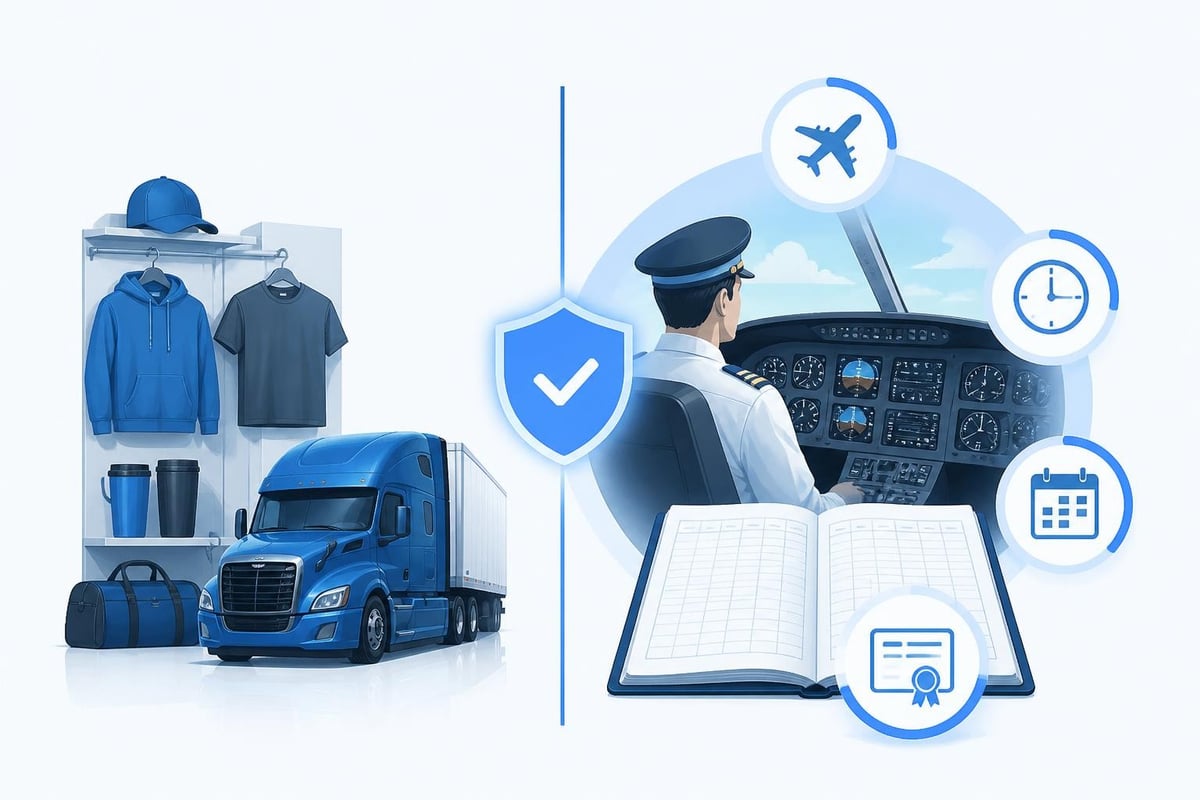
Pilot Flying J merchandise refers to the retail products and branded goods sold at Pilot Flying J travel centers across North America. The chain operates more than 750 locations that stock everything from fuel and snacks to logo T-shirts, hats, and travel accessories. For aviators searching "pilot flying j merchandise," the confusion is understandable: the name shares the word "pilot," but the company serves truckers and road travelers, not flight crews. This article explains what Pilot Flying J actually sells, where the merchandise comes from, how licensing works, and why aviation professionals need to keep their logbook tracking entirely separate.
What Pilot Flying J Sells in Its Travel Centers
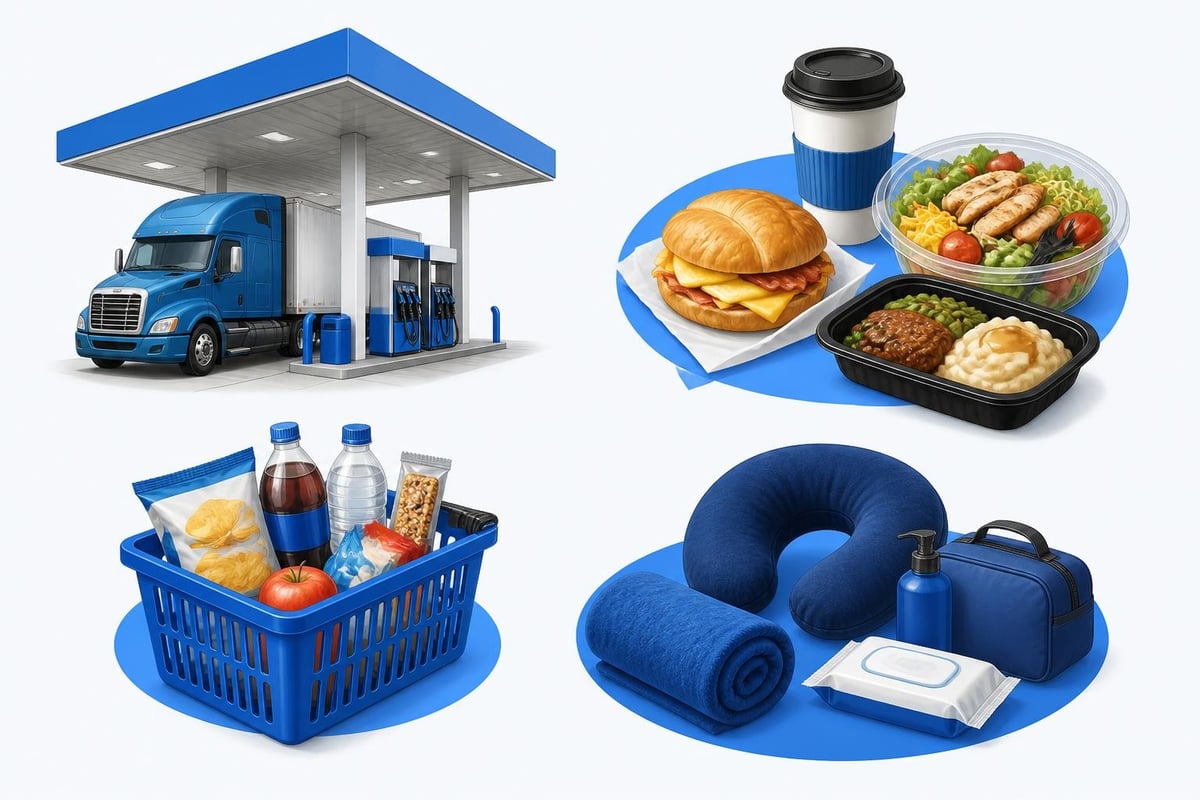
Pilot Flying J travel centers are designed for professional drivers and highway travelers. Each location typically stocks four main categories of merchandise.
In-store retail categories include:
- Fuel (diesel, gasoline, DEF)
- Foodservice (quick-serve restaurants, roller grill, coffee)
- Convenience items (snacks, drinks, tobacco)
- Travel essentials (phone chargers, maps, hygiene products)
Branded Apparel and Logo Gear
Pilot Flying J merchandise also includes branded clothing and accessories. You can find T-shirts, hoodies, caps, and jackets embroidered with the Pilot or Flying J logo. Smaller items such as keychains, coffee mugs, and lanyards round out the selection. According to NACS State of the Industry data, proprietary branded merchandise accounts for a growing share of convenience-store sales as chains develop customer loyalty.
These items are sold both in-store and through select online channels. Pilot Flying J operates a loyalty program called myRewards Plus, and members occasionally see exclusive merchandise offers. The brand positioning targets professional drivers rather than aviation crews.
The Licensing and Trademark Story
Pilot Flying J operates under trademarks registered with the United States Patent and Trademark Office. You can verify live registration status through the USPTO TSDR system. The chain uses licensed branding to ensure consistent quality and protect intellectual property.
Licensing International resources explain how retailers manage brand licensing for merchandise. Pilot Flying J controls its logos and wordmarks to prevent unauthorized sellers from producing counterfeit or substandard goods. Only approved vendors can manufacture and distribute official Pilot Flying J merchandise, which protects both the brand and the buyer.
Ownership and Merchandise Strategy
Berkshire Hathaway completed its full acquisition of Pilot Travel Centers in January 2024, gaining 100 percent ownership. This corporate change has implications for merchandise strategy, supply-chain decisions, and private-label development. The new ownership brings capital and operational expertise, and Circana's Q2 2025 convenience-store report notes that well-capitalized chains are expanding proprietary merchandise lines to differentiate from competitors.
Where Aviation Pilots Fit (and Where They Don't)
Aviation professionals sometimes stumble upon Pilot Flying J when searching for pilot-related merchandise or logbook tools. The name creates natural confusion, but the two industries remain entirely distinct.
| Aspect | Pilot Flying J | Aviation Pilots |
|---|---|---|
| Primary customer | Truck drivers, motorists | Flight crew, students |
| Merchandise focus | Fuel, food, travel gear | Logbooks, charts, headsets |
| Licensing body | State business regulators | CAA, FAA, EASA |
| Logbook purpose | Loyalty points, fuel discounts | Flight time, currency, legal compliance |
Aviation pilots need specialized tools that Pilot Flying J does not supply:
- Digital or paper flight logbooks
- Current aeronautical charts and approach plates
- Headsets, kneeboards, plotters
- Medical and licence expiry tracking
- Currency calculations (90-day passenger currency, instrument recency)
If you are working toward a commercial licence or studying under a certified flight instructor, your hour-building and currency tracking happen in an aviation logbook, not a truck-stop loyalty app. Resources like Pilotlog's blog explain how digital logbooks help you stay current and legal.
Merchandising Trends in the Convenience and Travel-Center Sector
Understanding Pilot Flying J merchandise means looking at broader industry trends. NIQ's 2025 analysis of convenience retail highlights three shifts reshaping what travel centers stock.
1. Foodservice Expansion
Travel centers are adding full-service restaurants, branded quick-serve concepts (Subway, Wendy's, Cinnabon), and fresh-food options. Pilot Flying J has partnered with national franchises and developed its own quick-serve offerings. Foodservice now drives a significant percentage of in-store gross profit, often surpassing traditional fuel margins.
2. Private-Label and Exclusive Brands
Proprietary snacks, drinks, and travel accessories allow chains to control margins and build brand loyalty. Pilot Flying J merchandise increasingly includes house-brand items that you cannot find elsewhere. This strategy mirrors what major grocery chains do with store-brand products.
3. Technology and Fulfillment
Mobile apps, digital loyalty programs, and even online ordering with in-store pickup are becoming standard. The PDI Technologies "Pulse of Convenience" report for 2025 documents how travel centers integrate point-of-sale systems, inventory management, and customer data to optimize merchandise assortment and reduce stockouts.
Why Pilots Should Track Flight Time Separately
Even if you stop for fuel at a Pilot Flying J on a cross-country drive, your flight-time and currency tracking remain the domain of your digital logbook. Professional pilots and students log every sector, record PIC and dual time, and monitor rolling currency windows.
Key regulatory requirements for pilots include:
- 90-day passenger currency (three takeoffs and landings in category and class within the preceding 90 days to carry passengers).
- Instrument currency (six approaches, holding, and intercepting/tracking within the preceding six calendar months, or an instrument proficiency check).
- Medical and licence expiry tracking (Class 1, Class 2, or BasicMed for U.S. pilots; EASA Part-FCL medicals for European operators).
- Flight and duty time limits (rolling 28-day and 365-day totals for commercial operations).
None of these tasks intersect with Pilot Flying J merchandise or loyalty programs. You need purpose-built aviation software to calculate currency, flag expiries, and export logbook summaries for job applications or authority audits. If you are exploring what it takes to become a professional pilot, understanding the cost to become a pilot and learning to fly a plane will point you toward the right tools and training pathways.
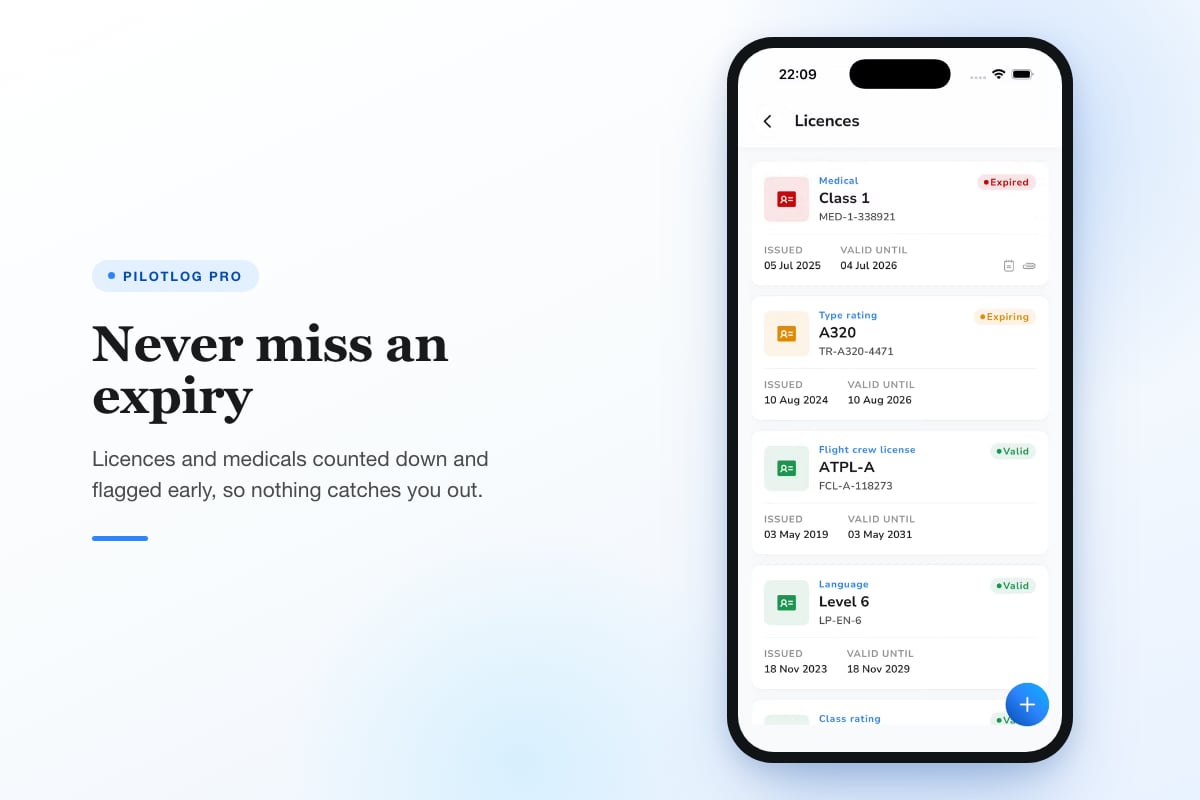
Pilotlog Pro automates those calculations and alerts. It tracks rolling flight-time and duty limits, passenger and instrument currency with lapse dates, and licence and medical expiries flagged early. You log each sector in seconds, and Pro handles the rest, so nothing catches you by surprise.
How to Buy Pilot Flying J Merchandise
If you want official Pilot Flying J merchandise, you have three main options.
Option 1: Visit a Travel Center
Walk into any of the 750-plus locations and browse the retail section. Inventory varies by store size and region, but most carry at least basic logo apparel and accessories. Staff can often order items not currently in stock.
Option 2: Check the Online Store
Pilot Flying J occasionally offers merchandise through its website or partner e-commerce platforms. Selection is more limited than in-store, and shipping policies vary. Loyalty-program members may receive exclusive online promotions.
Option 3: Corporate and Bulk Orders
Businesses that partner with Pilot Flying J can arrange bulk or custom orders for uniforms, promotional giveaways, or fleet gifts. Contact corporate sales for minimum-order quantities and pricing.
Common Misconceptions About Pilot Flying J and Aviation
Misconception 1: Pilot Flying J sells aviation supplies.
It does not. The chain focuses on truck drivers and road travelers. Aviation supplies such as headsets, charts, and flight bags are available from dedicated aviation retailers, not truck stops.
Misconception 2: The myRewards Plus program tracks flight hours.
It tracks fuel purchases and in-store spending for discount points. Flight hours and currency are logged in an aviation logbook, either paper or digital.
Misconception 3: Pilot Flying J merchandise includes pilot logbooks.
No official Pilot Flying J merchandise includes flight logbooks. If you see a "pilot logbook" at a travel center, it is either a generic third-party product or mislabeled.
The Role of Digital Logbooks in Professional Aviation
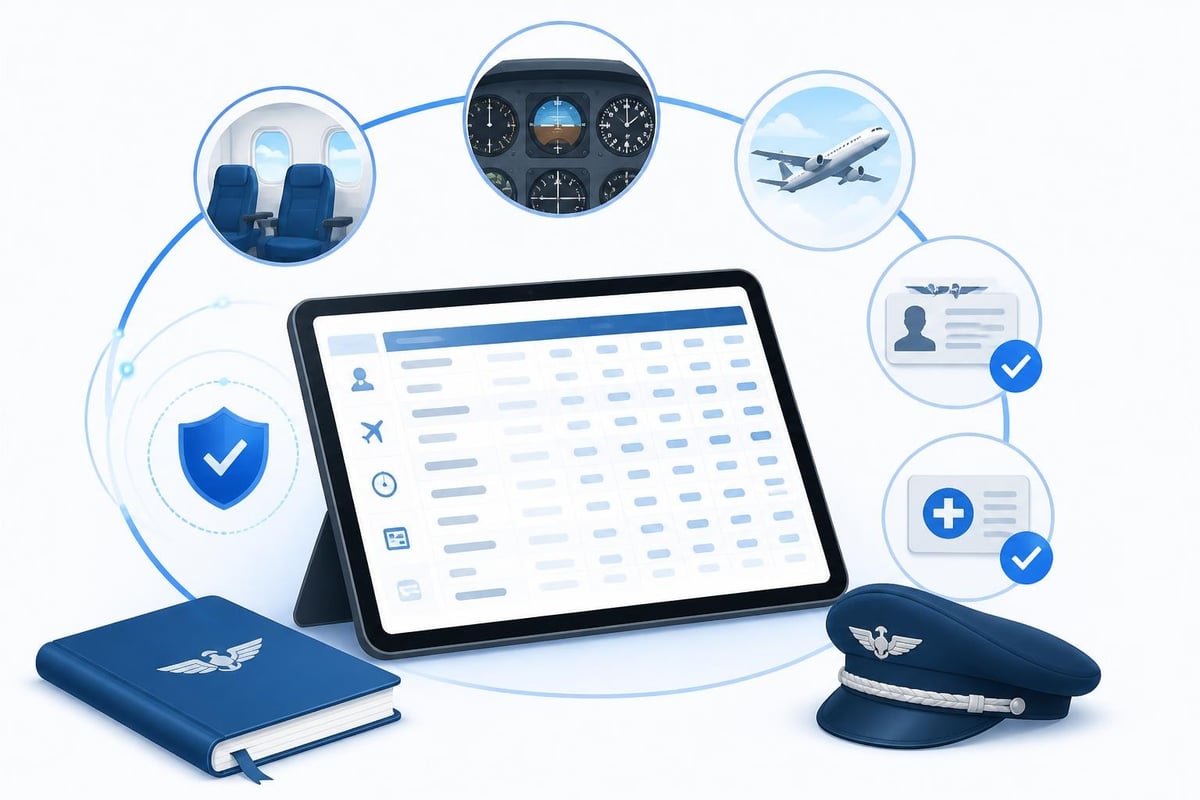
While Pilot Flying J merchandise serves highway travelers, aviation professionals rely on specialized digital logbooks to manage their careers. A robust logbook does more than record hours; it monitors currency, calculates rolling totals, and alerts you to approaching expiries.
Core features pilots need in a digital logbook:
- Fast sector entry (departure, arrival, aircraft type, flight time)
- Automatic calculation of total time, PIC, dual, cross-country
- Currency tracking (90-day, instrument, night)
- Medical and licence expiry alerts
- Export to PDF, CSV, or airline-specific formats
- Cloud sync across iOS and Android
These capabilities keep you current, legal, and ready for your next flight. If you are a certified flight instructor building hours toward an airline job, every dual-given sector counts. A digital logbook ensures no flight goes unrecorded and every currency window stays visible. Comparing tools like ForeFlight Logbook or AMT Logbook can help you choose the right platform for your workflow.
Merchandise Performance and Market Data
Travel-center merchandise is a competitive, data-driven business. NACS industry updates and Circana reports track category performance, shopper behavior, and pricing trends. Pilot Flying J uses this intelligence to stock high-margin items, optimize shelf space, and test new product lines.
Performance metrics travel centers monitor:
| Metric | Definition | Typical Benchmark |
|---|---|---|
| Basket size | Average transaction value | $15–$25 (excl. fuel) |
| Category mix | Share of sales by category | Food 40%, merch 30%, other 30% |
| Turns per year | Inventory turnover rate | 12–18 for fast-moving items |
| Gross margin | Profit after cost of goods | 30–40% on convenience items |
These benchmarks help Pilot Flying J decide which merchandise to carry, how much shelf space to allocate, and when to introduce private-label products. The data-driven approach ensures that branded apparel, travel essentials, and foodservice offerings align with customer demand.
Practical Advice for Pilots Shopping at Pilot Flying J
Even though Pilot Flying J merchandise targets truck drivers, pilots sometimes stop at these travel centers during road trips between airports or training sites. Here is how to make the most of a visit.
Tips for pilots at Pilot Flying J:
- Fuel your car efficiently. Pilot Flying J is known for competitive diesel and gasoline prices, especially for myRewards Plus members.
- Grab quick meals. Long cross-country drives between flight schools or job interviews benefit from fast, affordable food options.
- Use clean restrooms. Travel centers maintain higher cleanliness standards than typical highway rest stops.
- Skip the "pilot" merchandise confusion. If you need aviation gear, order from a dedicated pilot shop or FBO.
- Track your flying separately. Use your digital logbook to log flight time, not a truck-stop loyalty app.
Regulatory and Compliance Notes
Pilot Flying J merchandise is subject to standard retail regulations: consumer-protection laws, sales-tax collection, and trademark enforcement. Aviation pilots, by contrast, operate under strict regulatory frameworks.
Aviation compliance requirements (examples):
- EASA Part-FCL for European licence holders (currency, recency, medical validity)
- FAA Part 61 for U.S. private and commercial pilots (experience requirements, currency rules)
- UK CAA standards for British licence holders (similar to EASA, with some national variations)
- ICAO Annex 1 for international recognition of licences and ratings
These rules have nothing to do with Pilot Flying J merchandise but are critical for any pilot building a professional career. Always confirm current regulations with official sources, as rules can change. The Flight Instructor Handbook and other authoritative texts provide detailed guidance on compliance and best practices.
Why the Confusion Persists
The name "Pilot Flying J" naturally attracts aviation professionals searching for pilot-related products. Search engines surface Pilot Flying J merchandise listings alongside aviation logbooks and flight gear, creating a jumbled results page. Understanding the distinction saves time and ensures you get the right tools for your needs.
Reasons for ongoing confusion:
- Shared terminology ("pilot," "flying")
- Generic search terms (e.g., "pilot gear," "pilot merchandise")
- Overlapping keywords in SEO and advertising
- Lack of clear category filters in some search engines
If you are a student or licensed pilot, bookmark aviation-specific retailers and logbook platforms. That way, you go straight to the tools you need without wading through truck-stop merchandise listings.
Final Thoughts on Pilot Flying J Merchandise and Aviation Logbooks
Pilot Flying J merchandise serves a distinct market: professional drivers and highway travelers who need fuel, food, and convenience items. Branded apparel, travel accessories, and proprietary products round out the offering. Aviation pilots, by contrast, require flight logbooks, currency tracking, and regulatory compliance tools that a truck stop cannot supply.
Pilot Flying J merchandise and aviation pilot logbooks operate in separate industries, but both serve professionals who log miles and monitor compliance. As an aviator, your focus is flight time, currency, and expiries. Pilotlog keeps you current, legal, and ready: log each sector in seconds, track rolling limits and currency windows, and receive early alerts for licence and medical expiries. Available on iOS and Android, it ensures nothing catches you by surprise.
- pilot flying j
- travel center merchandise
- aviation logbook
- pilot confusion
- branded apparel
A logbook that keeps itself.
Join the waitlist and be first in line when Pilotlog launches.
Free to join, no spam. Unsubscribe any time.