atp discovery flight
ATP Discovery Flight: What It Is and What to Expect
5 Nov 2026 · 8 min read
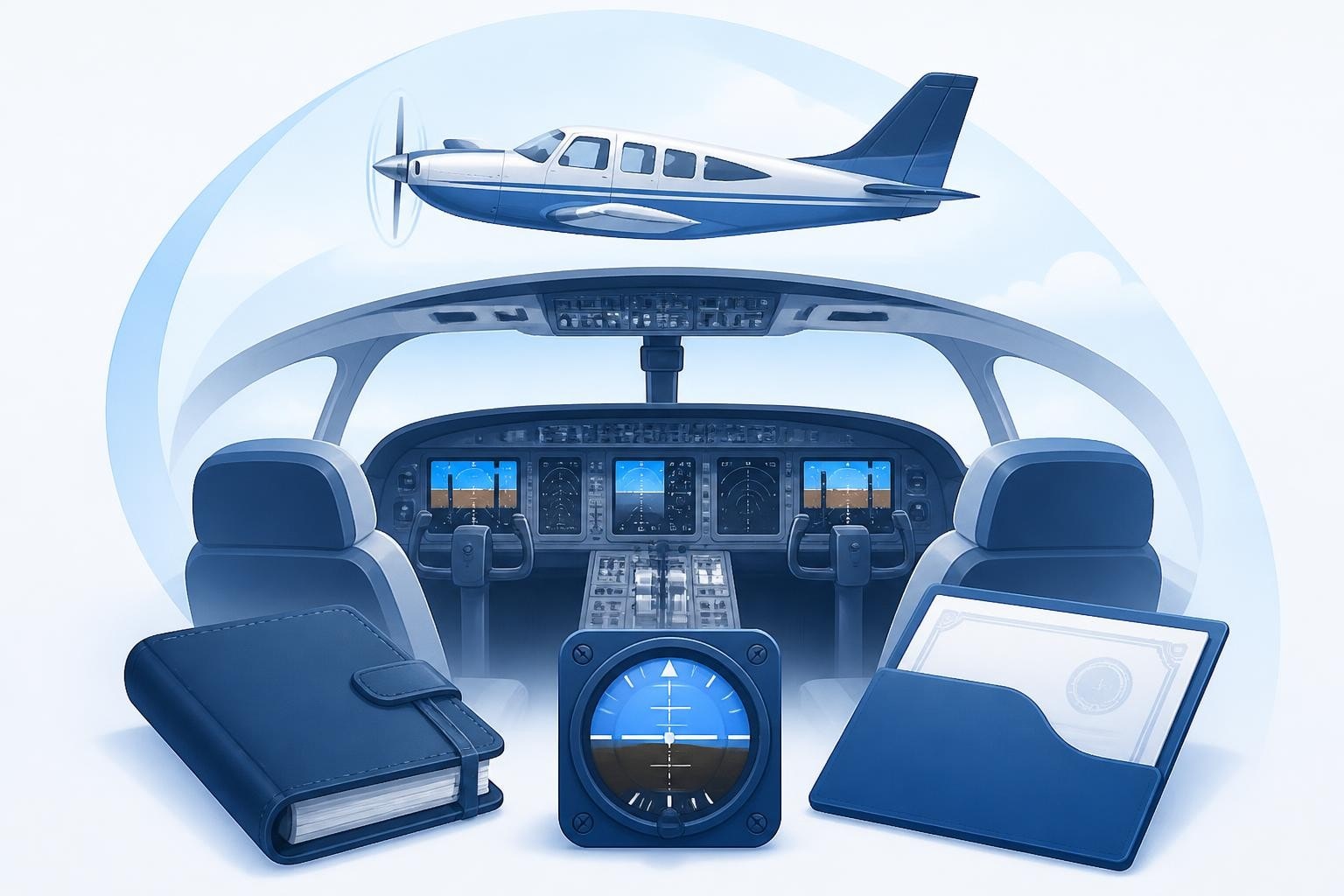
An atp discovery flight is an introductory or admissions flight offered by professional flight schools to candidates considering the full Airline Transport Pilot (ATP) training pathway. It gives prospective students hands-on experience in the cockpit and lets instructors assess suitability before enrolling in ab-initio or advanced programmes. Regulations governing these flights vary; in the United States, the FAA defines ATP certification pathways under 14 CFR Part 121 and Part 135, while discovery flights themselves are often conducted under Part 91 or under specific flight-school exemptions. Always confirm which authority and rule set applies to your flight.
What an ATP Discovery Flight Covers
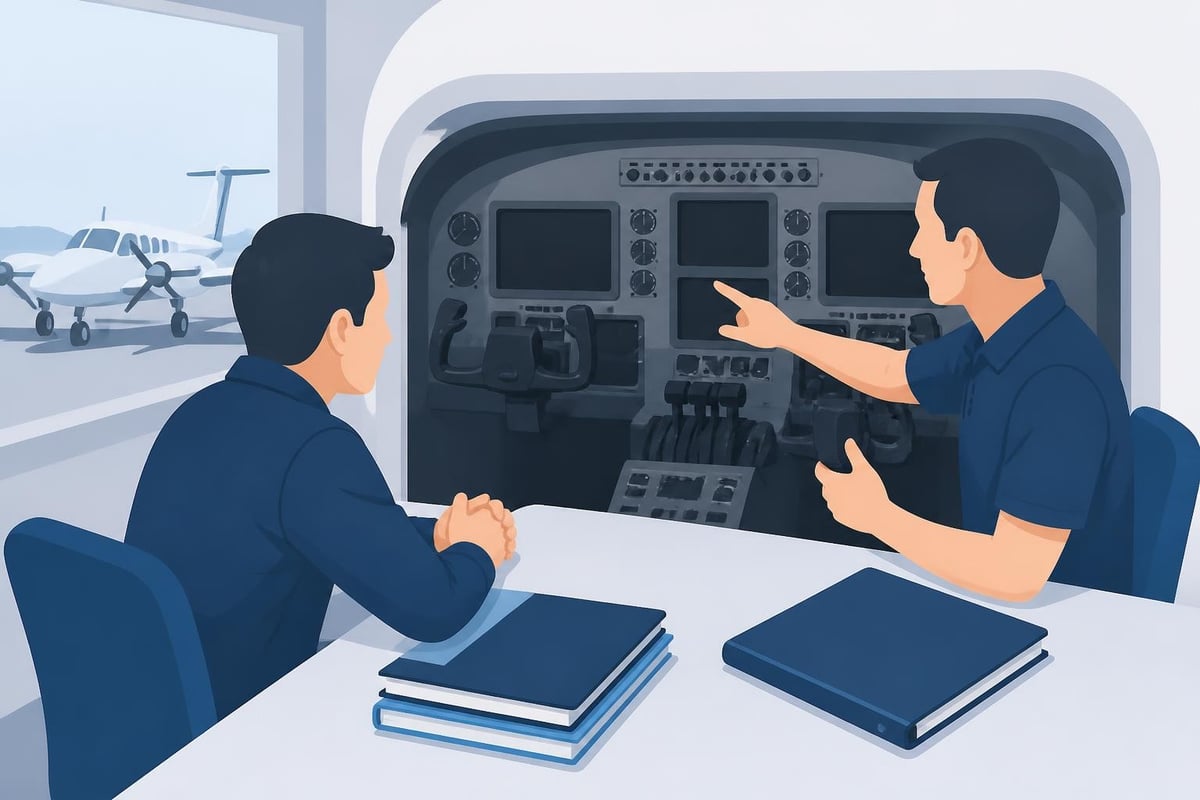
An atp discovery flight typically lasts 30 to 60 minutes airborne, preceded by a ground briefing. You meet the instructor, review objectives, and learn basic aircraft systems and controls. Some schools use single-engine trainers such as the Cessna 172; others use multi-engine aircraft or glass-cockpit simulators to reflect airline-style procedures.
During the flight you can expect to:
- Observe and assist with pre-flight checks and checklists
- Occupy the left or right seat (depending on the school and aircraft)
- Take control during straight-and-level flight, gentle turns, and climbs or descents
- Experience radio communication if the instructor allows
- Land under instructor guidance (some schools offer this, others do not)
The instructor evaluates your coordination, comprehension, and motivation. This is not a pass-fail test but a mutual introduction. ATP Flight School's discovery flight briefing, for example, emphasises career readiness and the commitment required for multi-crew commercial training.
Regulatory Context for Discovery Flights
In the United States, FAA Advisory Circular AC 91-94 provides guidance on demonstration, orientation, and discovery flights conducted under Part 91. These flights must comply with operational rules and pilot-in-command currency. If the school conducts training under Part 141, the atp discovery flight may still operate under Part 91 if it is purely introductory and no flight-training credit is logged.
EASA and UK CAA do not use the term "discovery flight" in regulatory language but permit trial lessons under Part-FCL as part of approved training organisations (ATOs) or declared training organisations (DTOs). The instructor must hold at least a Flight Instructor (FI) rating, and the candidate is logged as a student from the first lesson. Always verify that the school holds current approvals and insurance for introductory flights.
How ATP Discovery Flights Fit Into Career Pathways
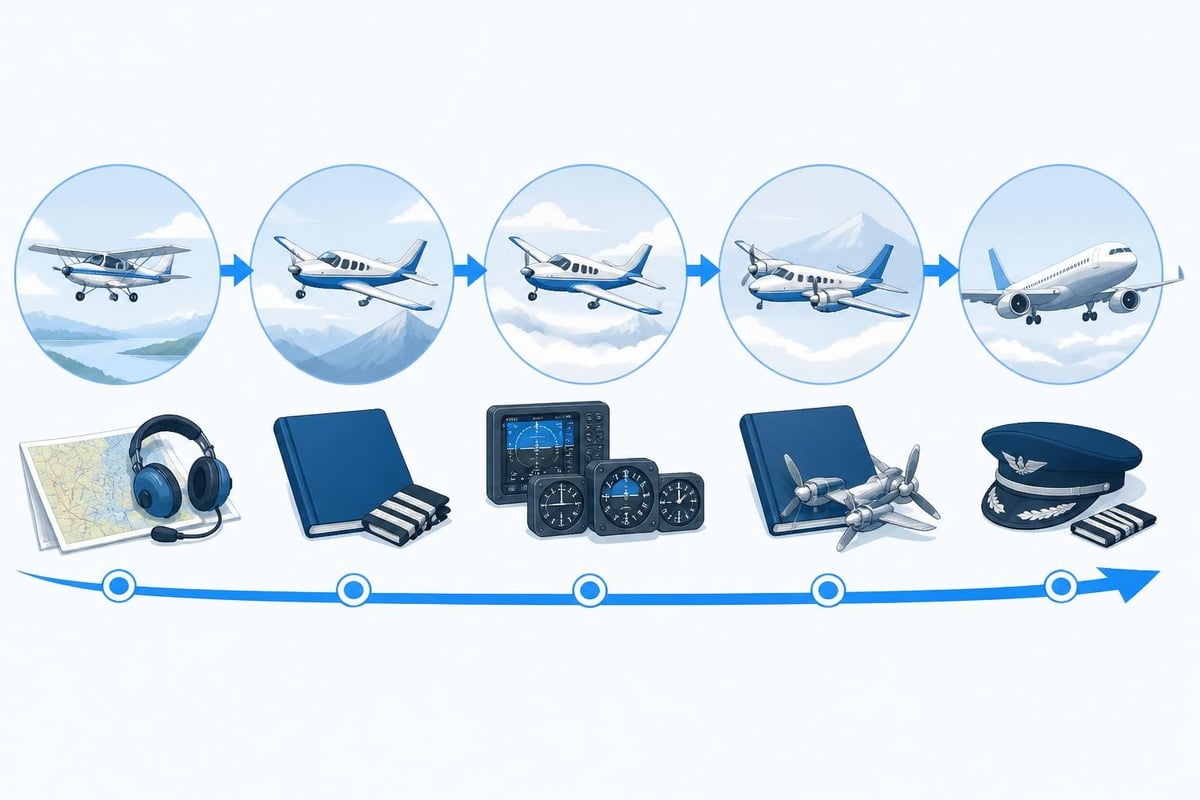
Major airlines increasingly recruit through cadet programmes and ab-initio pathways that begin with an introductory flight. American Airlines Cadet Academy and Delta Propel highlight discovery flights in their recruitment messaging, encouraging candidates to experience the cockpit before committing to training that can cost 50,000 to 100,000 USD or GBP.
An atp discovery flight serves three purposes:
- Candidate assessment: Instructors gauge aptitude, attitude, and communication skills.
- Expectation setting: You learn what the full training programme entails, including academic ground school, simulator hours, and multi-engine and instrument flight.
- Commercial introduction: Schools present financing options, timeline to hire, and partnership agreements with regional or major carriers.
If you are considering full-time professional training, read Flight School Atlas's comparison of discovery flights versus formal pilot training to understand what follows your intro flight. For more on learning to fly a plane from the ground up, our blog has structured guides.
What It Costs and How to Book
Prices for an atp discovery flight range from 100 to 400 USD/GBP depending on aircraft type, flight duration, and whether a multi-engine or simulator session is included. Some schools waive the cost if you enrol within a set period. Others apply the fee toward your first training block.
Booking checklist:
| Item | Notes |
|---|---|
| Valid photo ID | Passport or driving licence |
| Medical certificate | Not required for a discovery flight, but discuss Class 1 medical standards if you plan to continue |
| Weather contingency | Book with flexibility; discovery flights are VFR and weather-dependent |
| Insurance confirmation | Verify the school's hull and liability cover includes introductory passengers |
AOPA's discussion of discovery flights from the flight-school perspective notes that well-run intro flights convert 30 to 50 percent of participants into enrolled students. Ask about conversion incentives and training-block discounts when you book.
Recording Your Discovery Flight
Even though an atp discovery flight is introductory, you may log the time if you were sole manipulator of the controls during any portion. Under 14 CFR 61.51(e), a student or certificated pilot may log flight time when they are the sole manipulator. Under EASA Part-FCL, trial lessons count as dual instruction if conducted by an FI and logged in an approved training record.
What to log:
- Date, aircraft registration, departure and arrival aerodromes
- Total flight time (from engine start to shutdown or wheels up to wheels down, depending on your authority's logging rules)
- Pilot-in-command time (none; the instructor is PIC)
- Dual received (yes, if under an FI)
- Remarks: "ATP discovery flight" or "trial lesson"
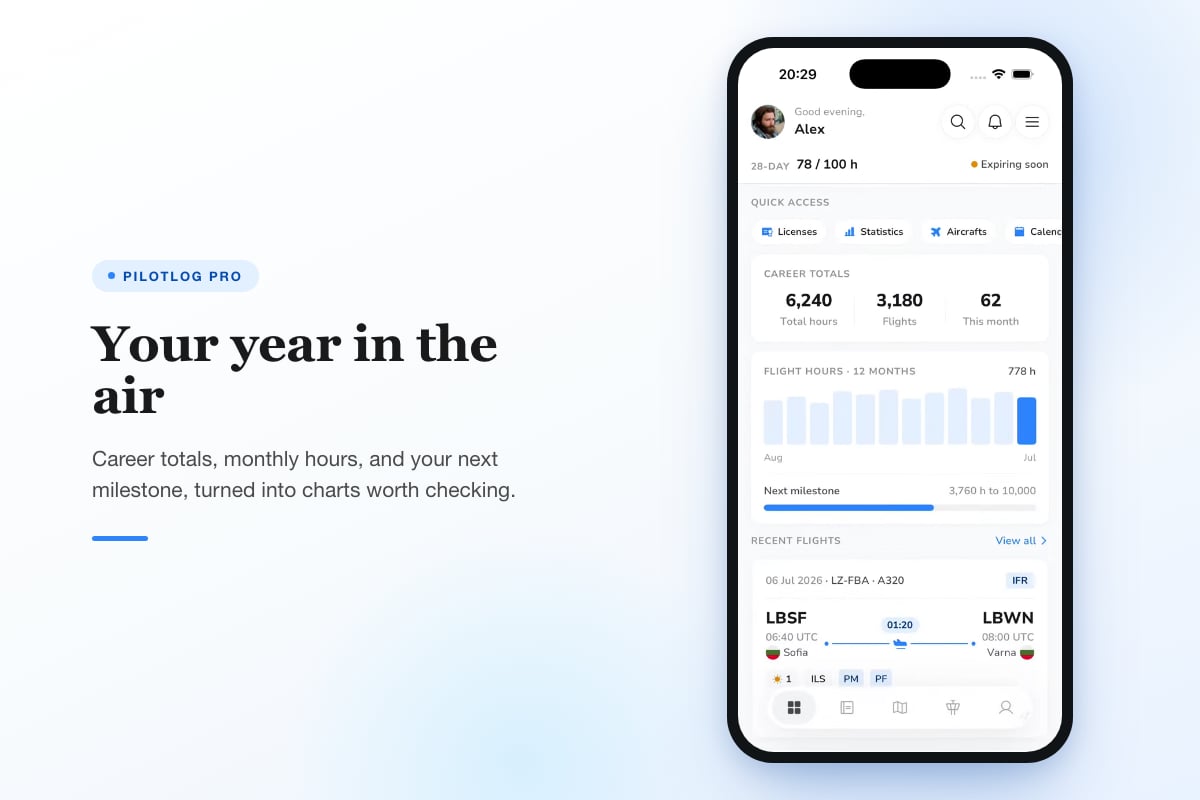
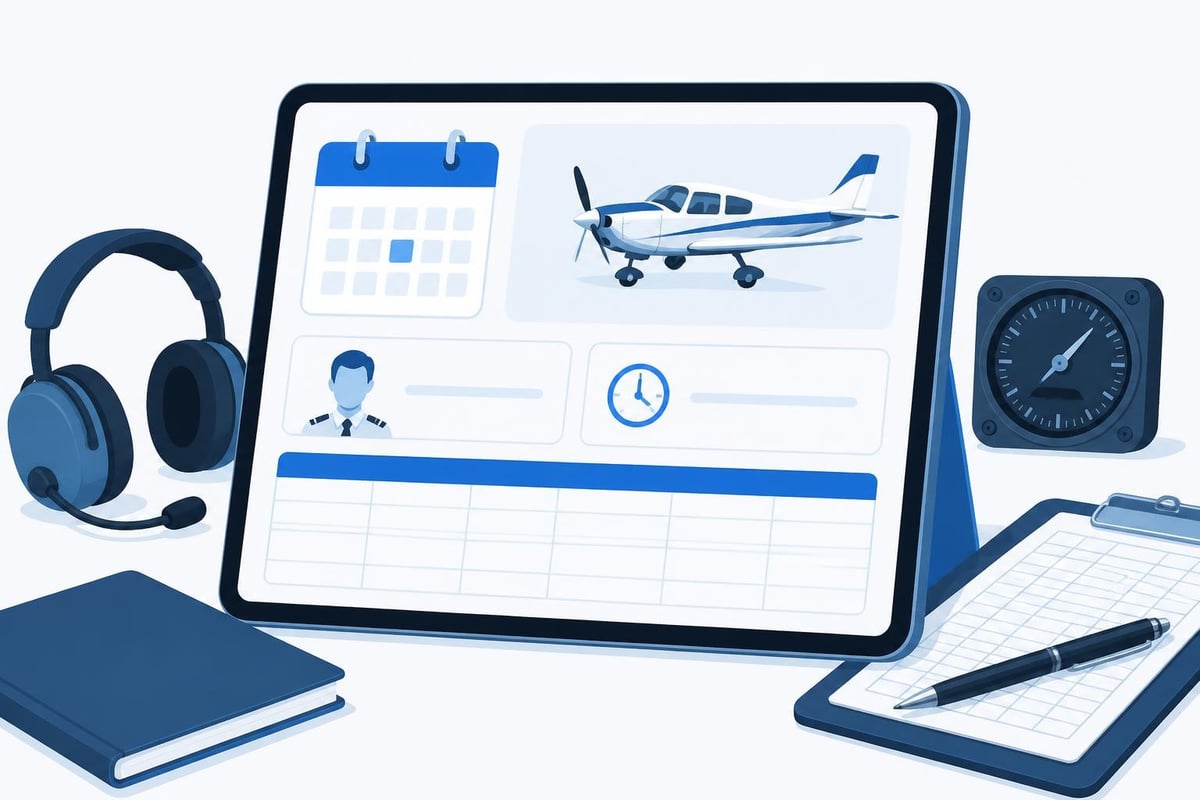
From your first logged flight onward, a digital pilot logbook keeps your hours, currency, and expirations organised. Pilotlog Pro tracks rolling 28-day and 365-day limits, passenger and night currency, and licence and medical expiry alerts, so you always know where you stand. Add each flight in seconds, and the app calculates totals and currency automatically-critical once you begin structured training and need to demonstrate recency for check rides.
Choosing the Right School
Not every flight school offers an atp discovery flight by that name, but most professional or ab-initio programs provide an admissions or orientation flight. Cirrus Aviation's overview explains what career-changers should look for: instructor experience, fleet condition, partnerships with airlines, and transparent costing.
Compare at least three schools. Ask:
- What aircraft or simulator do you use for discovery flights?
- How many hours does your typical ATP-track student accumulate before hire?
- Do you have partnerships with regional carriers or direct-entry programmes?
- What percentage of your students pass FAA ATP-CTP or EASA ATPL theory on first attempt?
- What is your instructor turnover rate?
Visit in person if possible. Inspect the fleet, meet instructors, and sit in on a ground-school session. For context on overall pilot lessons cost, our blog breaks down hourly rates, fixed-course fees, and hidden expenses across PPL, CPL, and type-rating training.
Frequently Asked Questions
Do I need a medical certificate to take an atp discovery flight?
No. Discovery flights are conducted with the instructor as pilot-in-command. You are a passenger who may take the controls. A medical is required only when you begin solo flight training. If you plan to pursue ATP certification, you will eventually need an FAA Class 1 medical (14 CFR Part 67) or EASA Class 1 medical (Part-MED). Discuss requirements with an Aviation Medical Examiner before enrolling.
Can I log an atp discovery flight toward my ATP certificate?
Yes, if you were sole manipulator of the controls and the flight is properly logged. Under 14 CFR 61.159, ATP applicants need 1,500 total flight hours (or reduced minimums under certain military or university programmes). Every logged hour counts, including your very first discovery flight. EASA ATPL applicants need 1,500 hours under Part-FCL.160. Keep accurate records from day one; digital tools like Pilotlog ensure nothing is lost.
What happens after an atp discovery flight?
Most schools offer a debrief and outline the next steps: enrolment, financing, and a training schedule. If the school is Part 141 or an ATO, you receive a syllabus showing stage checks, ground school modules, and estimated timeline to commercial multi-engine or frozen ATPL. Some schools issue a logbook endorsement or certificate of completion for your discovery flight. Review all paperwork, ask questions, and compare offers before signing a training contract.
Summary: Key Takeaways
- An atp discovery flight introduces aspiring airline pilots to cockpit procedures and lets schools assess suitability.
- Flights last 30 to 60 minutes and include ground briefing, hands-on flying, and a career pathway discussion.
- Regulations differ: FAA conducts discovery flights under Part 91 or AC 91-94 guidance; EASA/CAA treat them as trial lessons under Part-FCL.
- You may log the time if you manipulated the controls, and it counts toward your total hours for ATP certification.
- Compare schools on fleet, instructor experience, airline partnerships, and pass rates before enrolling.
- A digital logbook from day one keeps your hours, currency, and medicals accurate as you progress from PPL to ATP.
Regulations change. Always check current guidance from the FAA, EASA, or your national aviation authority before making training decisions.
An atp discovery flight is your first step toward an airline career, giving you hands-on experience and a clear view of the training ahead. Once you start logging flights, accurate records become critical. Pilotlog tracks every hour, flags currency lapses, and alerts you to licence and medical expiries, so you stay current, legal, and ready from your discovery flight through to command. Start logging today and keep your career on course.
- atp discovery flight
- discovery flight
- pilot training
- flight school
- airline pilot career
A logbook that keeps itself.
Join the waitlist and be first in line when Pilotlog launches.
Free to join. We’ll email you about the launch and Pilotlog news. Unsubscribe any time. Privacy policy