flight lessons cost
Flight Lessons Cost: Real Prices for Pilots in 2026
4 Sep 2026 · 14 min read
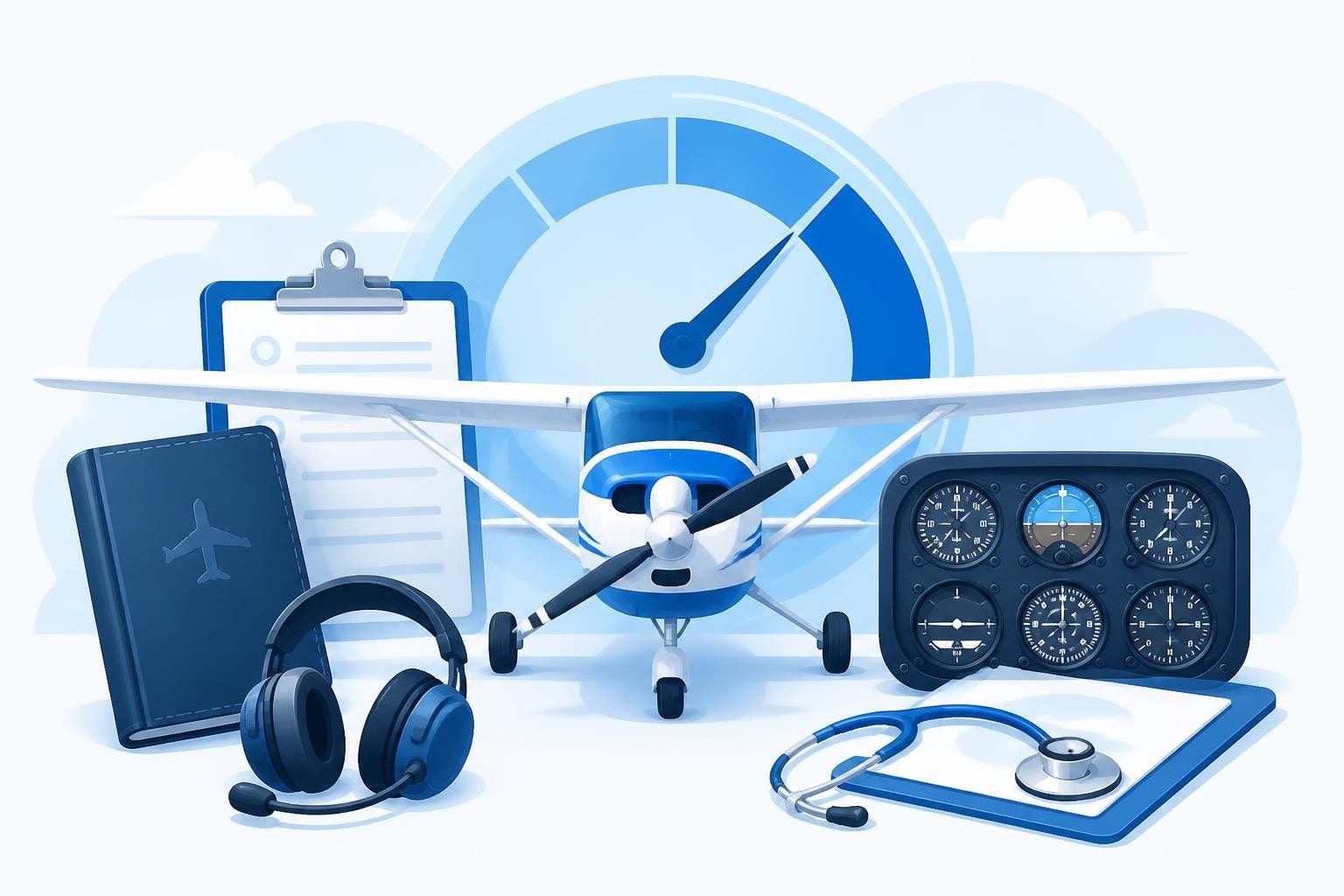
Flight lessons cost between £150 and £400 per hour in the UK and US in 2026, depending on aircraft type, instructor fees, location, and whether you train Part 61 or Part 141. A private pilot licence typically requires 45 to 70 hours of flight time, bringing the total outlay to between £9,000 and £18,000 when you include ground school, examiner fees, and materials. Those figures shift significantly if you add an instrument rating or commercial certificate, and costs climb sharply for multi-engine or turbine time.
Understanding what drives flight lessons cost helps you plan a realistic budget, choose the right training path, and avoid surprise bills. This article breaks down the major cost components, compares school types and aircraft categories, and shows you how to track your progress so every hour moves you closer to the certificate you need.
What You Pay Per Hour
Every flight lesson involves at least two direct costs: aircraft rental and instructor time. Aircraft rental typically runs £100 to £250 per hour for single-engine piston trainers, depending on age, avionics, and fuel policy. Instructor fees add another £40 to £80 per hour. Combined, a single hour of dual instruction in a Cessna 152 or Piper Warrior averages £140 to £190 in most markets.
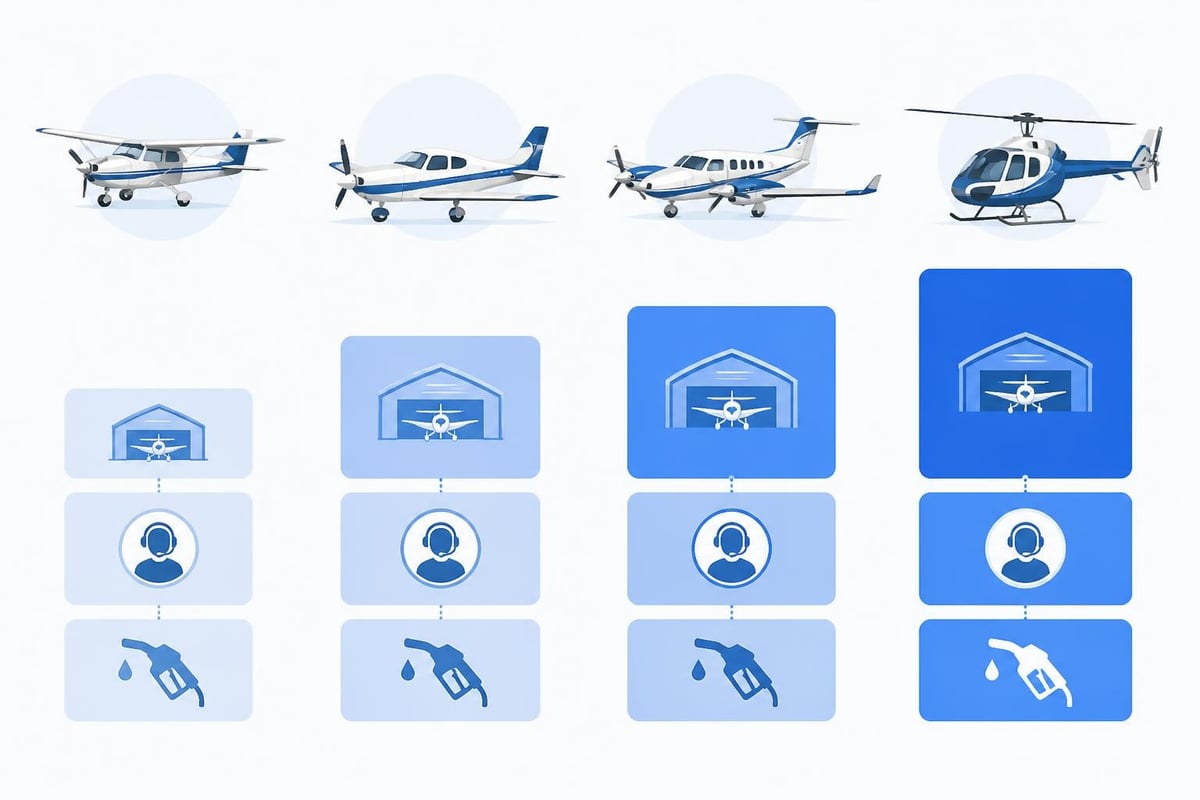
Those rates rise quickly with complexity. Retractable-gear singles and twins command £200 to £350 per hour wet, and turbine aircraft can exceed £500. Helicopter training carries similar premiums; a Robinson R22 lesson costs £250 to £350 per hour, compared with £150 for a fixed-wing equivalent, because rotorcraft burn more fuel and require more frequent overhauls.
Ground Instruction and Pre- or Post-Flight Briefings
Flight schools bill ground instruction separately, usually at the same rate as airborne instruction. A typical lesson includes 0.5 to 1.0 hours of briefing and debriefing, so a two-hour block may yield only 1.2 hours of actual flight time. Budget for this ratio when estimating total flight lessons cost, because regulatory minimums count flight hours, not calendar appointments.
Some schools bundle ground school into fixed-price packages. Others charge by the session or offer unlimited ground for a flat monthly fee. Ask upfront how ground time appears on your invoice, and confirm whether pre-solo and stage-check briefings incur extra charges.
Licence and Rating Totals
The Federal Aviation Regulations Part 61 sets minimum experience for U.S. certificates: 40 hours for a private pilot certificate (35 under Part 141), 50 hours for an instrument rating, and 250 total time for a commercial certificate. In practice, most students need more time to meet proficiency standards.
National averages from PilotBound's 2026 cost report show that private pilots log 55 to 70 hours before checkride, instrument students add 60 to 70 hours, and commercial candidates accumulate another 30 to 50 hours of dual and solo beyond the 250-hour commercial minimum. Multiply those hours by your local dual rate, then add examiner fees (£500 to £800), written-test fees (£150 to £200), and materials (£300 to £600).
| Certificate/Rating | Regulatory Minimum | Typical Actual Hours | Estimated Cost (2026) |
|---|---|---|---|
| Private Pilot | 40 (Part 61) | 55–70 | £9,000–£15,000 |
| Instrument Rating | 50 (40 simulated) | 60–70 | £10,000–£14,000 |
| Commercial Single | 250 total time | 30–50 dual beyond private + instrument | £8,000–£12,000 |
| Multi-Engine Add-On | 10–15 dual | 12–18 | £4,000–£7,000 |
| CFI Initial | No minimum dual | 20–30 dual | £5,000–£8,000 |
These figures reflect hourly rates in mid-sized U.S. markets. Coastal hubs and busy Class B airports often run 20 to 30 per cent higher, while rural schools in the Midwest and South may undercut these by 15 per cent.
Part 61 Versus Part 141 Flight Lessons Cost
Part 61 schools operate under flexible curricula and allow students to train at their own pace. Part 141 schools follow FAA-approved syllabi, which can reduce regulatory minimums (35 hours for private, for example) and may shorten time to certificate if you fly frequently and progress without delays.
Flight School Finder's 2026 market report shows that Part 141 programs often quote lower advertised totals but add stage-check fees, progress-test charges, and mandatory ground courses that bring the all-in cost close to Part 61 equivalents. A typical Part 141 private-pilot package lists at £11,000 to £13,000, while a pay-as-you-go Part 61 student who flies 60 hours at £170 per dual hour spends roughly £10,200, plus £1,000 in ancillary fees.
Key cost differences:
- Part 61: pay per lesson, no curriculum lock-in, easier to switch instructors, variable completion time.
- Part 141: structured syllabus, lower regulatory minimums, stage checks and progress tests (each £200 to £400), potential VA or international student eligibility.
Choose Part 141 if you can train full-time and want predictable milestones. Choose Part 61 if you fly once or twice a week and value scheduling flexibility over a five-hour regulatory savings that may evaporate in real-world training.
Fixed-Price Academy Programs
Accelerated academies and collegiate programs bundle private through certified flight instructor (or airline transport pilot) training into a single contract. Embry-Riddle's published tuition shows four-year aviation-degree costs around £120,000 to £150,000, including academic tuition and flight fees. Independent flight academies offering zero-to-hero programs advertise £60,000 to £90,000 for 250 hours and five certificates, but graduates report final bills 10 to 20 per cent higher after stage repeats, checkride failures, and solo-time top-ups.
These packages appeal to career-track pilots who want guaranteed instructor availability, accelerated timelines (12 to 18 months versus three to four years part-time), and financing options. They carry risk: if you pause training or transfer schools, sunk costs and non-refundable deposits can exceed £10,000.
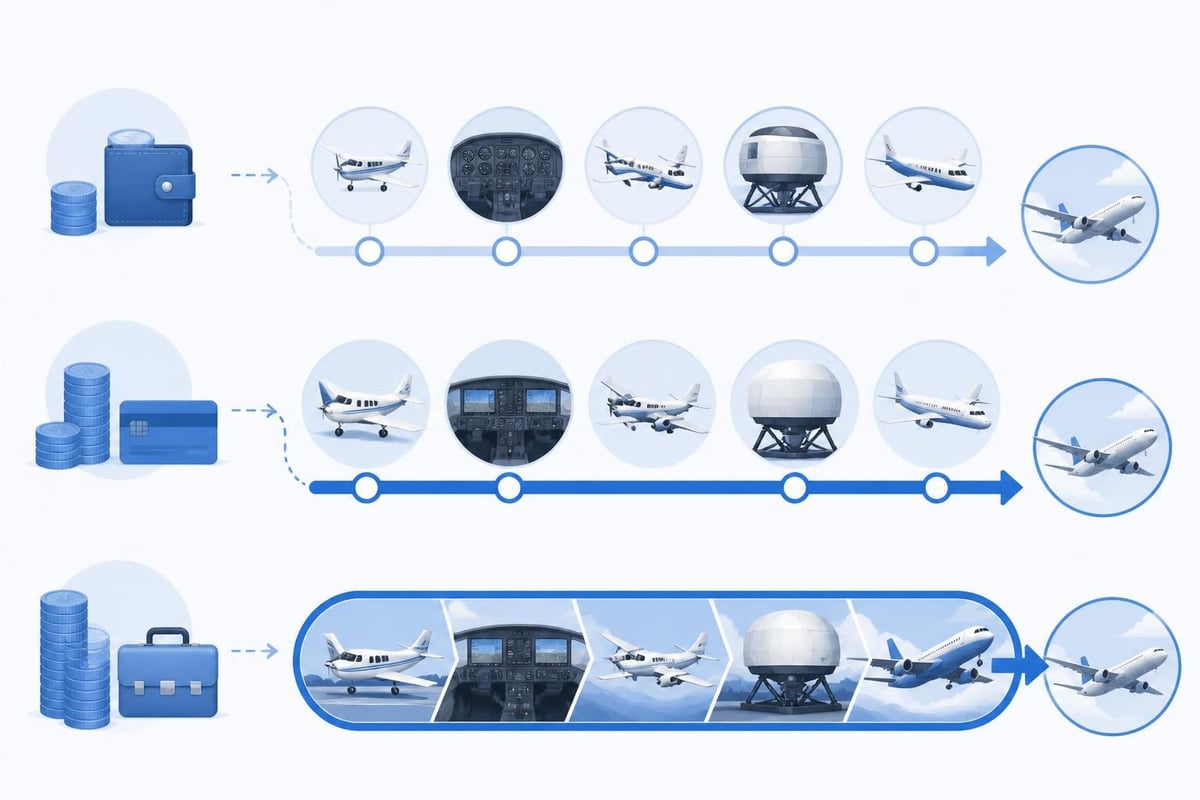
Compare independent analysis of academy programmes against local hourly rates before signing. Calculate the effective per-hour rate (total package divided by guaranteed hours), then add 10 per cent for likely overruns. If the result exceeds your local dual rate by more than 15 per cent, the convenience premium may not justify the cost.
Aircraft Type and Complexity
Single-engine trainers dominate early certificates because they cost less and meet regulatory requirements. Once you hold a commercial certificate, employers and insurance underwriters demand multi-engine, complex, and turbine time. Each step up multiplies hourly costs.
- Simple single (Cessna 152, Piper Warrior): £100–£180/hour wet, £40–£60 instructor → £140–£240 dual.
- Complex single (Cessna 182RG, Piper Arrow): £150–£250/hour, £50–£70 instructor → £200–£320 dual.
- Light twin (Piper Seminole, Beech Duchess): £250–£400/hour, £60–£80 instructor → £310–£480 dual.
- Turboprop (King Air 90, Pilatus PC-12): £600–£1,200/hour, £100–£150 instructor → £700–£1,350 dual.
Helicopters follow a parallel scale. Helicopter versus aeroplane training costs explains why rotorcraft hourly rates run 40 to 60 per cent higher than comparable fixed-wing trainers, driven by higher maintenance reserves and shorter component life limits. For more guidance on rotorcraft training, see the helicopter flight lessons overview.
Hidden and Variable Costs
Flight lessons cost more than the hourly rate times logged hours. Budget for:
- Fuel surcharges: schools pass through price spikes as temporary add-ons (£5 to £15 per flight hour in volatile markets).
- Insurance and club fees: annual membership dues (£200 to £800) and renter's insurance (£300 to £600/year).
- Checkride and stage-check fees: designated examiner charges £500 to £800 per attempt; some Part 141 schools add £200 to £400 per stage check.
- Written-test fees: FAA knowledge tests cost around £150 to £200 each; you need one per certificate or rating.
- Materials and subscriptions: charts, test-prep software, headset, and flight computer run £500 to £1,000 initially, then £200/year for renewals.
- Medical certificate: Class 3 costs £100 to £150; Class 1 or Class 2 runs £200 to £400 depending on examiner and additional tests.
Track these in your logbook or planning tool so you know true cost per certificate. Many pilots discover their actual spend exceeds the advertised package by 15 to 25 per cent once ancillary fees accumulate.
How to Reduce Flight Lessons Cost
Smart planning cuts expense without sacrificing safety or quality. Start by comparing schools within a 50-mile radius; a 30-minute drive can save £30 per flight hour, recovering the fuel cost in two lessons. Fly during off-peak hours (weekday mornings) for better instructor availability and lower cancellation risk, which reduces wasted calendar time and repeat lessons.
Practical cost-saving steps:
- Chair-fly every manoeuvre the night before each lesson. Muscle memory built on the ground shortens airborne practice time.
- Batch ground school with peers. Split instructor time three ways and each pay one third the hourly rate.
- Use approved simulators for instrument and procedural work. FAA Part 61 allows up to 20 hours of simulated instrument time toward the rating; sim rates run £40 to £80/hour versus £200+ for actual aircraft.
- Join a flying club instead of renting from a commercial school. Equity clubs charge lower hourly rates (often 20 to 30 per cent below FBO rental) in exchange for a buy-in (£500 to £2,000) and monthly dues.
- Apply for scholarships early and often. The AOPA flight-training scholarships and EAA Ray Aviation Scholarships award thousands of pounds each year to qualified students.
AOPA's flight-training finance guide offers additional budgeting worksheets and loan-comparison tools. Review those before committing to a training contract or financing plan.
Tracking Hours and Budget in Real Time
Once training starts, every lesson generates new totals: flight time, dual received, solo, cross-country, night, instrument. You need those figures to confirm you meet regulatory minimums, plan your next rating, and project remaining cost to certificate. Spreadsheets work until you juggle multiple aircraft types, currencies, and licence expiries.
A digital logbook consolidates everything in one place and flags upcoming deadlines. Pilotlog Pro tracks rolling flight-time totals, passenger and night currency, and medical expiry dates with alerts set weeks in advance. You log a flight in seconds, and the app calculates totals automatically, so you always know exactly how many dual hours remain before your commercial checkride or when your Class 1 medical expires. That visibility keeps training on schedule and prevents expensive last-minute scrambles to regain currency.
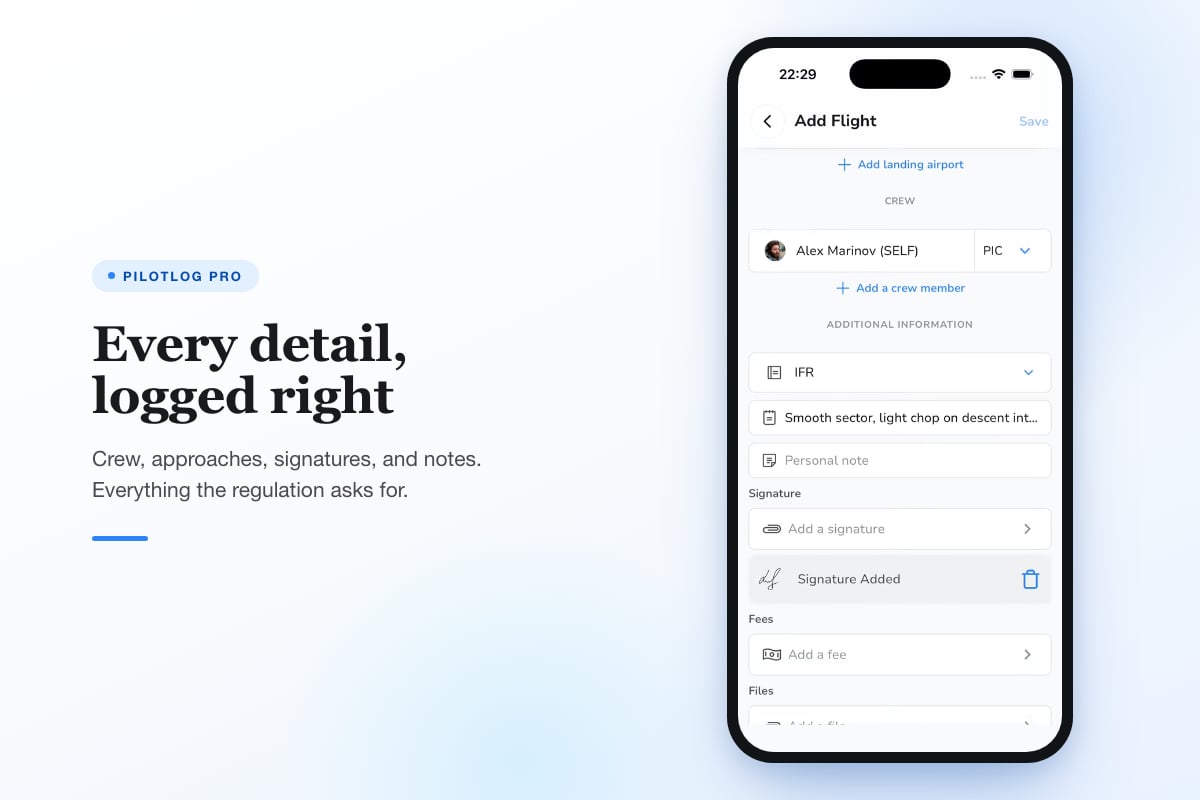
For example, a private-pilot student who budgets £12,000 can import each lesson (Hobbs time, dual received, instructor name, aircraft registration) and compare actual spend against the plan every week. If the average climbs from £180 to £210 per lesson, the student sees the trend at 30 hours and adjusts the budget or training tempo before running short at 50 hours. Post-certificate, the same logbook tracks instrument currency under the six-approaches-in-six-months rule, night currency (three full-stop landings within 90 days to carry passengers), and IFR currency requirements, ensuring you stay legal without manual tallies.
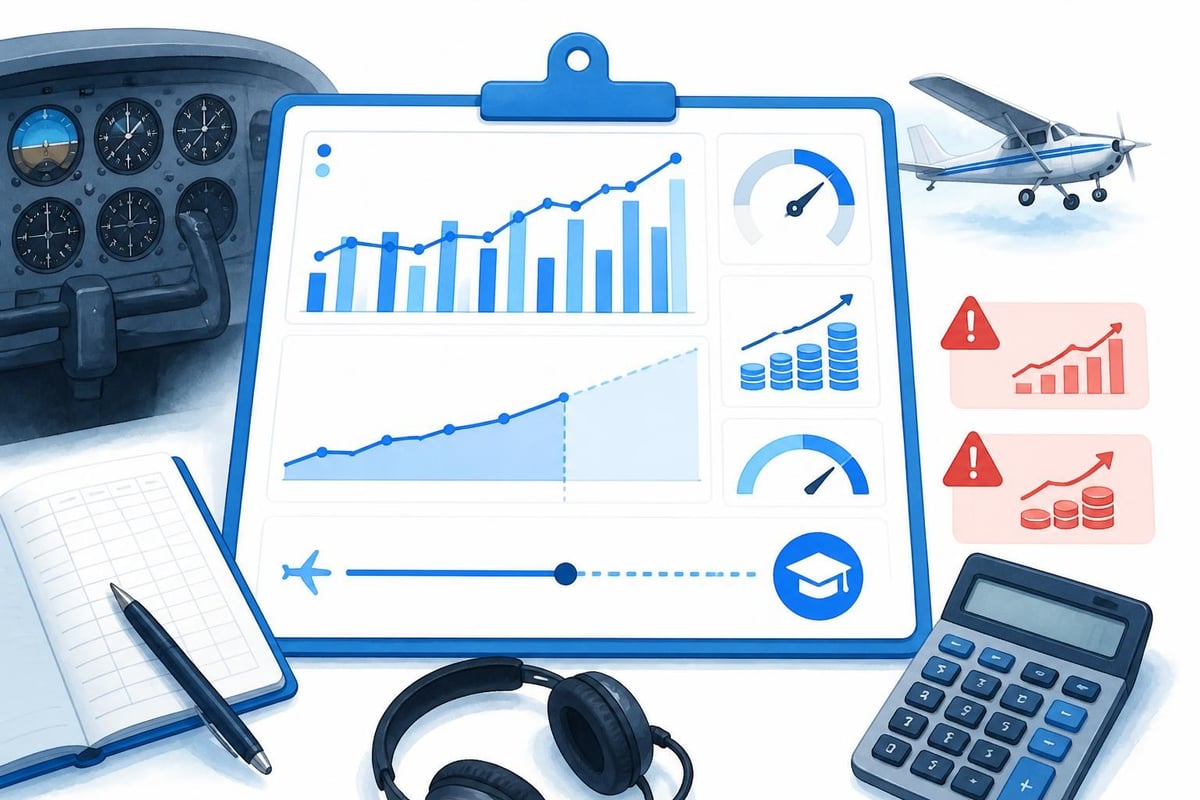
Accurate logging also supports financing and scholarships. Lenders and scholarship committees request certified logbook totals; a complete, properly formatted digital export answers those requests in minutes and demonstrates professionalism.
Geographic and Seasonal Variation
Flight lessons cost varies significantly by region and season. Coastal and urban markets (Southern California, New York metro, South Florida) see hourly rates 20 to 40 per cent above the national median because of higher insurance, hangar rent, and instructor wages. Conversely, schools in the Great Plains, Midwest, and rural South offer rates 15 to 25 per cent below average, though lower population density may limit instructor availability.
Weather introduces seasonal cost swings. Northern schools in Canada, the northern U.S., and northern Europe lose 20 to 30 flyable days per winter month to snow, ice, and low ceilings. Students who train through winter often need refresher flights in spring to rebuild proficiency lost during forced breaks, adding 5 to 10 hours (£800 to £1,800) to the total. Conversely, Sun Belt schools fly year-round but face afternoon thunderstorm cancellations in summer, which can extend calendar time without adding much cost.
Plan your start date and budget around local weather patterns. Beginning in late winter or early spring in temperate climates lets you solo in better weather and minimise winter downtime. If you live in a high-cost market, consider a two-week immersion at a lower-cost school in Arizona, Florida, or Texas, then transfer the hours back to your home instructor for final polish and checkride prep.
Financing and Payment Plans
Few pilots pay for training entirely out of pocket. Flight schools and third-party lenders offer instalment plans, but terms vary widely. In-house financing typically charges 6 to 12 per cent APR and requires 10 to 20 per cent down. The school holds your logbook and aircraft access until the balance clears, creating risk if you need to switch instructors or pause training.
Private loans through specialist aviation lenders (AOPA Finance, Sallie Mae career-training loans) offer 4 to 10 per cent APR for qualified borrowers and disburse funds directly to you, preserving flexibility. Federal student loans apply only if you enrol in an accredited degree programme; standalone Part 141 certificate courses rarely qualify.
Financing checklist:
- Compare APR and total interest paid over the loan term, not just monthly payment.
- Confirm whether the lender releases funds in stages (upon completion of each certificate) or as a lump sum.
- Ask if the school refunds unused balances if you finish under budget or switch schools mid-training.
- Read the default and withdrawal clauses. Some contracts require full repayment even if you stop training for medical or personal reasons.
Review independent flight-school cost analyses that compare advertised package prices against real graduate outcomes before financing a large academy contract.
Budgeting for the Long Term
Flight lessons cost does not end with a single certificate. Staying current requires recurrent training, flight reviews every 24 months, instrument-proficiency checks if you fly IFR, and rental checkouts when you move to a new aircraft type. Each event costs £200 to £600. Annual insurance premiums for renters run £300 to £600, and flying-club dues or aircraft partnerships add £100 to £300 per month.
Career pilots accumulate hundreds of hours beyond minimums before they qualify for insured commercial work. Building 1,500 hours for an airline transport pilot licence (ATPL) in a single-engine trainer at £150/hour costs £225,000 if you pay retail. Most pilots mix instructing (paid), time-building partnerships (shared cost), pipeline patrol or banner towing (low-wage commercial), and volunteer flights to reach that figure over three to five years.
Budget for this marathon, not a sprint. A realistic five-year plan from zero time to right seat in a regional airline includes:
- Private pilot: £9,000–£15,000, 55–70 hours, 6–12 months.
- Instrument rating: £10,000–£14,000, 60–70 hours, 4–8 months.
- Commercial single: £8,000–£12,000, 30–50 hours beyond instrument, 3–6 months.
- Multi-engine rating: £4,000–£7,000, 12–18 hours, 1–2 months.
- CFI initial: £5,000–£8,000, 20–30 hours, 2–4 months.
- Time building to 1,500 hours: £20,000–£60,000 (mix of paid instructing, shared partnerships, low-cost rentals), 18–36 months.
Total outlay ranges from £56,000 to £116,000 depending on how much you earn back as an instructor and how efficiently you build the final 1,000 hours. Track every lesson in a logbook that calculates totals automatically, and review your budget quarterly to stay on target. For additional guidance on managing long-term training records, explore the best digital logbook options that grow with your career.
Regulatory Notes and Disclaimer
Flight-training rules change. The figures and regulatory minimums cited here reflect U.S. FAA Part 61 and Part 141 standards current in early 2026, along with UK CAA and EASA Part-FCL parallels where noted. Always confirm requirements against the official CFR text or your national authority before committing funds. Currency rules (90-day passenger currency, six-month instrument currency under 61.57) and medical validity periods vary by certificate class and pilot age; verify your specific case with a current examiner or instructor.
Cost estimates represent market averages in mid-2026 and will shift with fuel prices, insurance rates, and regional demand. Use these as planning baselines, then request written quotes from at least three local schools to build your personal budget.
Flight lessons cost between £150 and £400 per hour depending on aircraft, instruction, and location, with total certificate expenses ranging from £9,000 for a private licence to over £100,000 for a full airline-track program. Smart planning, accurate tracking, and realistic budgeting turn that investment into a manageable, rewarding path. Pilotlog keeps every hour, currency deadline, and medical expiry in one place, so you log quickly, stay legal, and always know where you stand. Start your free trial today and take control of your training progress from the first lesson to command.
- flight lessons cost
- ppl cost
- part 61 vs part 141
- flight training budget
- pilot license cost
A logbook that keeps itself.
Join the waitlist and be first in line when Pilotlog launches.
Free to join, no spam. Unsubscribe any time.