Article
Private Flight Lessons: What to Expect and What They Cost
21 Nov 2026 · 6 min read
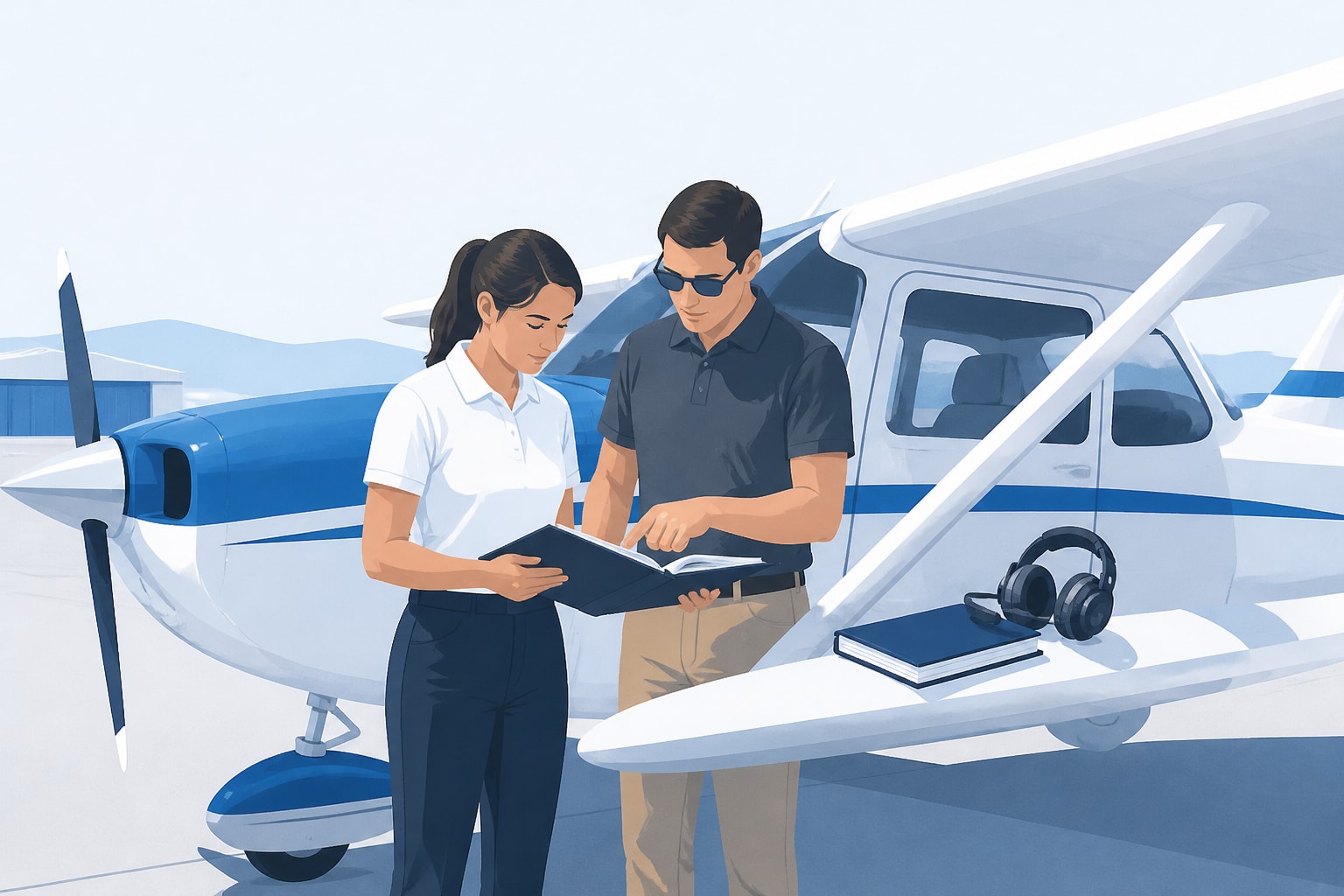
Private flight lessons cost roughly $18,000 to $24,000 in the United States, depending on the school and how many hours you need. This article follows FAA rules (14 CFR Part 61) for an airplane private pilot certificate. EASA Part-FCL and UK CAA requirements differ, so check your own authority's figures before you budget.
How much do private flight lessons cost?
The published-rate analysis from AVweb estimates private-pilot training at $18,025, based on 72 flight hours and including testing, medical certification and equipment. It reports a median aircraft rental rate of $165 per hour and a median instructor rate of $65 per hour. One school, Thrust Flight, lists its private pilot course at $24,000.
The FAA minimum is 40 flight hours under Part 61, including at least 20 hours of instructor training and 10 hours of solo flight (FAA FAQ). Many students need more than the minimum, which is why published estimates often assume more hours.
Your own total will move with local rates and how many hours you need. Costs depend on the aircraft and instructor rates at your school, so compare quotes before you commit.
What does a typical lesson look like?
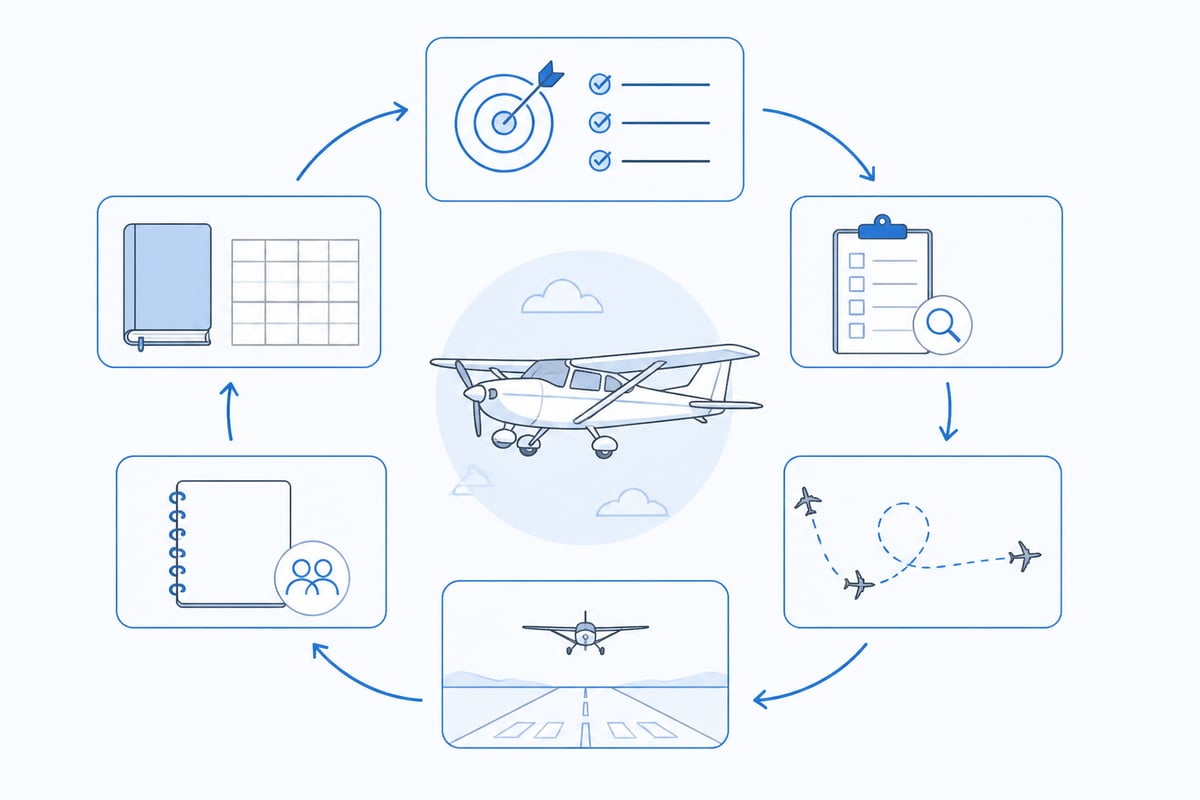
A lesson is a pre-brief, a flight and a debrief. Expect the flying itself to be shorter than the full block, with the rest spent on briefing and review.
Ground instruction is billed separately at some schools. Check whether a quoted hourly rate includes the aircraft, since school rates and instructor-only rates are not directly comparable.
How long does it take to learn to fly?
Part-time students often take several months, while accelerated programs can be much quicker. Flying two or three times a week keeps skills fresh and usually reduces repeat work. Long gaps between lessons tend to add hours.
You will need a medical too. The FAA says student pilots generally need at least a third-class medical certificate before their first solo flight, with glider and balloon students as exceptions (FAA FAQ). Book the medical early so it never delays your solo.
Gear and tools that support private flight lessons
You do not need to buy everything on day one. These four items cover the common purchases. Check current prices before you buy.
1. David Clark H10-13.4 Aviation Headset
The David Clark H10-13.4 is a passive noise reduction headset with durable construction and a five-year warranty. It is listed at about $389.99.
Suits: training on a tight budget where the headset must survive years of use in busy cockpits.
Verdict: a dependable first headset with no electronics to fail.
2. Lightspeed Zulu 3 Aviation Headset
The Zulu 3 uses active noise reduction and magnesium ear cups. Its FlightLink app can record communications on Apple devices. It is listed at about $899.
Suits: longer lessons in loud aircraft where comfort and noise reduction matter more than price.
Verdict: worth the premium once you are flying several hours a week.
3. X-Plane (Laminar Research)
X-Plane is flight simulation software with detailed aircraft and airports and VR support. It is listed at about $59.99.
Suits: rehearsing procedures and aircraft handling at home between lessons, at a fraction of the hourly cost of the real aircraft.
Verdict: a low-cost way to rehearse procedures before the next lesson.
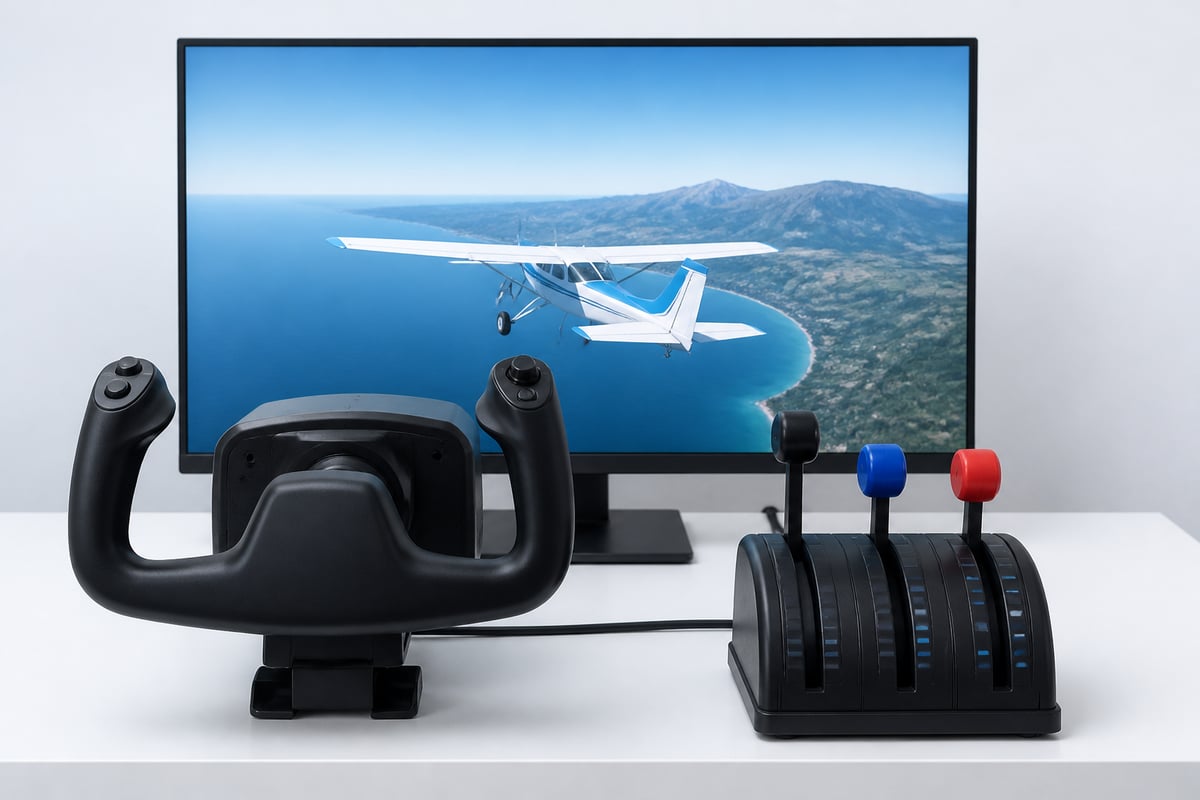
4. Logitech G Flight Yoke with Throttle Quadrant
This set pairs a yoke with buttons and switches and a separate three-part throttle quadrant. It includes a USB hub and mounts to a desk or table. It is listed at about $169.99.
Suits: a home-simulator setup on a modest budget.
Verdict: a sensible add-on if you plan to practice at home.
5. Pilotlog Pro
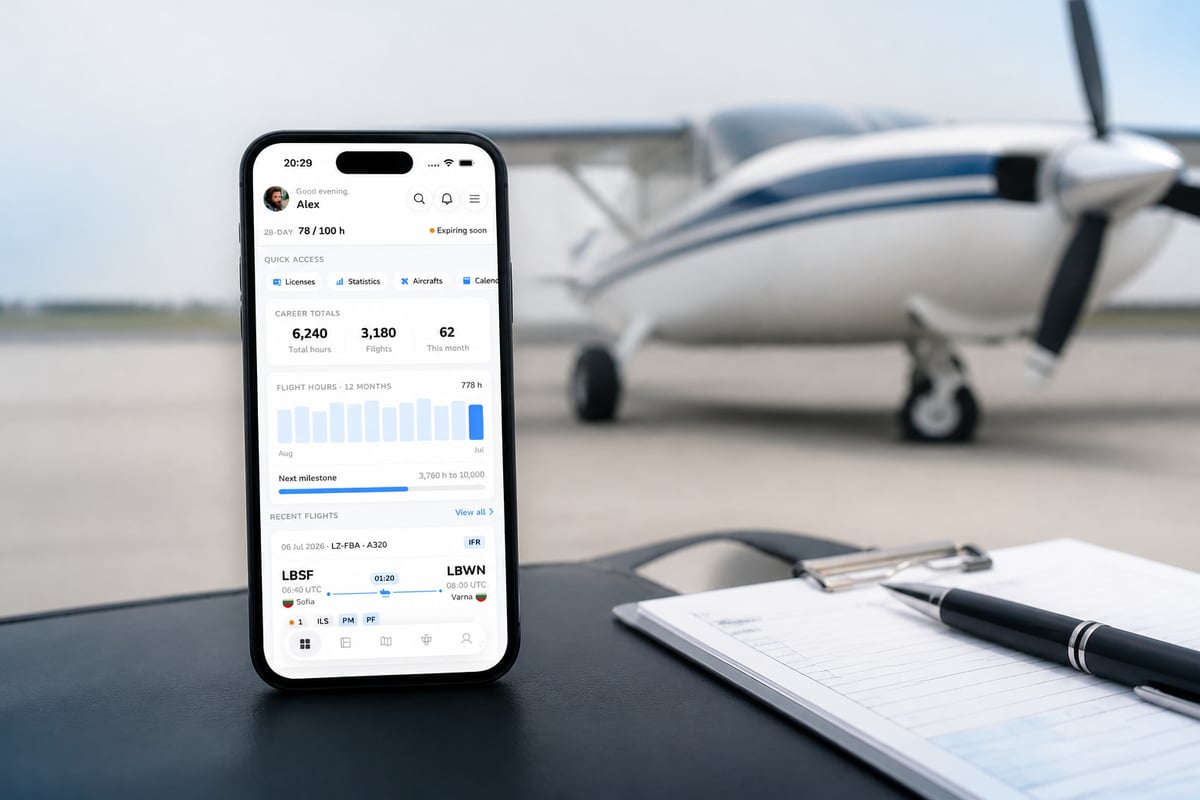
Pilotlog Pro is the paid tier of Pilotlog, a digital pilot logbook on iOS and Android. It tracks rolling 28-day and 365-day flight-time and duty limits, passenger, night and IFR currency with lapse dates, and licence and medical expiry alerts. It also offers career stats, trends, milestones and full logbook export. Pricing is on the Pilotlog Pro page.
Suits: logging every lesson in a few taps after landing, so your hours are totalled as you go, with no spreadsheet.
Verdict: a good fit once you start logging, and it carries through to a career.
| Item | Type | Approx. price | Suits |
|---|---|---|---|
| David Clark H10-13.4 | Passive headset | $389.99 | Budget-conscious training |
| Lightspeed Zulu 3 | Active headset | $899 | Long, loud lessons |
| X-Plane | Simulator software | $59.99 | Home procedure practice |
| Logitech G Flight Yoke | Yoke and throttle | $169.99 | Home-simulator setup |
| Pilotlog Pro | Digital logbook | See pricing page | Tracking hours, currency, expiries |
What is the cheapest way to fly privately?
The cheapest route is to fly consistently, prepare on the ground and avoid paying for repeated lessons. Study the maneuver before each flight, practice procedures in a simulator and keep a running record of your hours so you know where you stand against the FAA minimum. Scheduling lessons close together also reduces the relearning that inflates your total.
Is it too late to become a pilot?
Age alone does not stop you from starting. What matters is a valid medical and a schedule you can sustain.
Summary
- FAA private pilot minimum: 40 hours, including 20 hours of instructor training and 10 hours of solo flight (Part 61).
- Published-rate estimates often put total training in the high teens of thousands of dollars.
- Lessons include a pre-brief, a flight and a debrief.
- Part-time training often takes several months.
- Get a medical early; a third-class is generally needed before first solo.
Rules and prices change. Check current figures with the FAA and your flight school.
FAQ
How many hours do I need before I can fly solo?
Solo timing depends on your instructor's assessment, not a fixed number of hours. The Part 61 requirement is 10 hours of solo flight for the certificate, and you generally need at least a third-class medical before your first solo.
Is Elon Musk a certified pilot?
Public statements on his pilot certificates vary, and this article does not rely on them. For your own training, the relevant fact is your own certificate requirements under your aviation authority.
Do EASA or UK CAA rules match these figures?
No. This article uses FAA Part 61 figures. EASA Part-FCL and the UK CAA set their own minimum hours and medical requirements, so confirm them with your authority before you plan.
Start by booking your medical and writing down your target solo date, then log every lesson from the first one. Pilotlog keeps your hours, currency and expiries in one place, and Pilotlog Pro adds rolling limits and expiry alerts.
A logbook that keeps itself.
Join the waitlist and be first in line when Pilotlog launches.
Free to join. We’ll email you about the launch and Pilotlog news. Unsubscribe any time. Privacy policy