ifr flying
IFR Aviation Guide: Instrument Flying Explained for Pilots
28 Nov 2026 · 6 min read
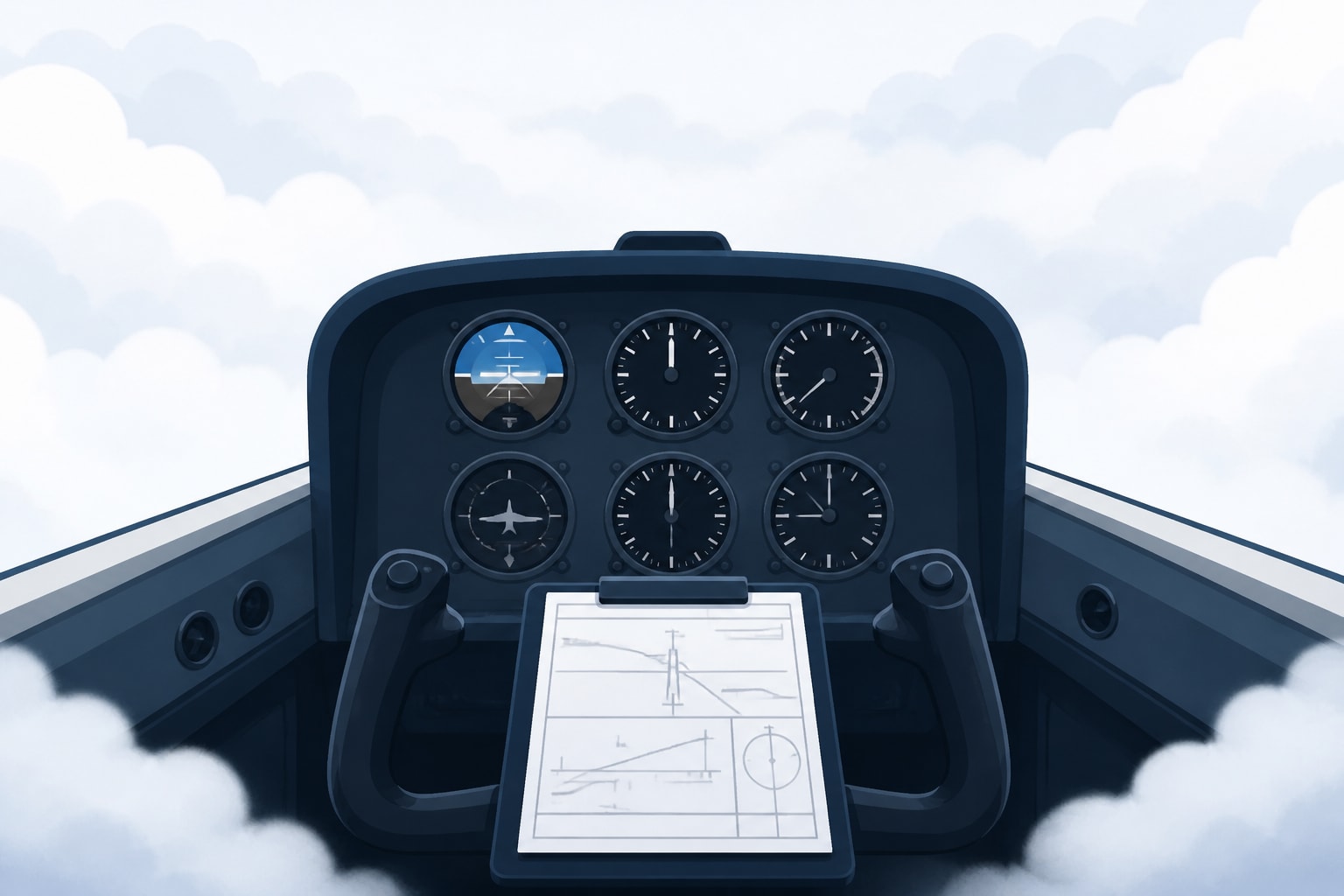
IFR aviation is flight under Instrument Flight Rules, where you navigate and control the aircraft by reference to instruments and air traffic control (ATC) clearances rather than by looking outside. It lets you fly in cloud and low visibility that VFR forbids, but it demands a rating, a flight plan, recency and disciplined procedures.
This guide covers what IFR means, how it compares with VFR, how the rating is earned under FAA and EASA rules, and how to keep your IFR privileges valid.
What is IFR aviation?
IFR aviation is a set of rules and procedures that let you fly safely when you cannot rely on visual references. You follow published routes, altitudes and approaches, and ATC separates you from other IFR traffic.
An IFR flight normally includes:
- A filed IFR flight plan and an ATC clearance
- Navigation by radio aids, RNAV or GNSS along airways or direct routes
- Standard instrument departures (SIDs), arrivals (STARs) and instrument approaches
- Continuous communication with ATC, with required position and altitude reports
Pilots use published procedures at every phase. The FAA's Instrument Procedures Handbook covers departures, en route flying and approaches in detail, and it is worth keeping at hand during training.
What is considered VFR?
VFR, or Visual Flight Rules, applies when weather is at or above set visibility and cloud clearance minimums, and you stay clear of cloud with visual reference to the surface. You navigate by looking outside, and you are responsible for seeing and avoiding other traffic.
The minimums vary by airspace class, altitude and authority, so check the current figures for your airspace. If conditions fall below VFR minimums, the flight becomes IMC (instrument meteorological conditions) and only an IFR-rated pilot in an IFR-equipped aircraft may continue legally.
Is flying IFR easier than VFR?
Flying IFR is not easier. It is more structured. You trade the freedom of picking your own route for a framework of clearances, procedures and checklists, and your workload in cloud is high.
IFR can reduce some risks, because ATC provides separation and you plan around weather with a defined route. It adds others: spatial disorientation, tight approach tolerances, and the need to stay sharp on procedures you do not use daily. A rusty IFR pilot in IMC is at greater risk than a current VFR pilot flying in clear air.
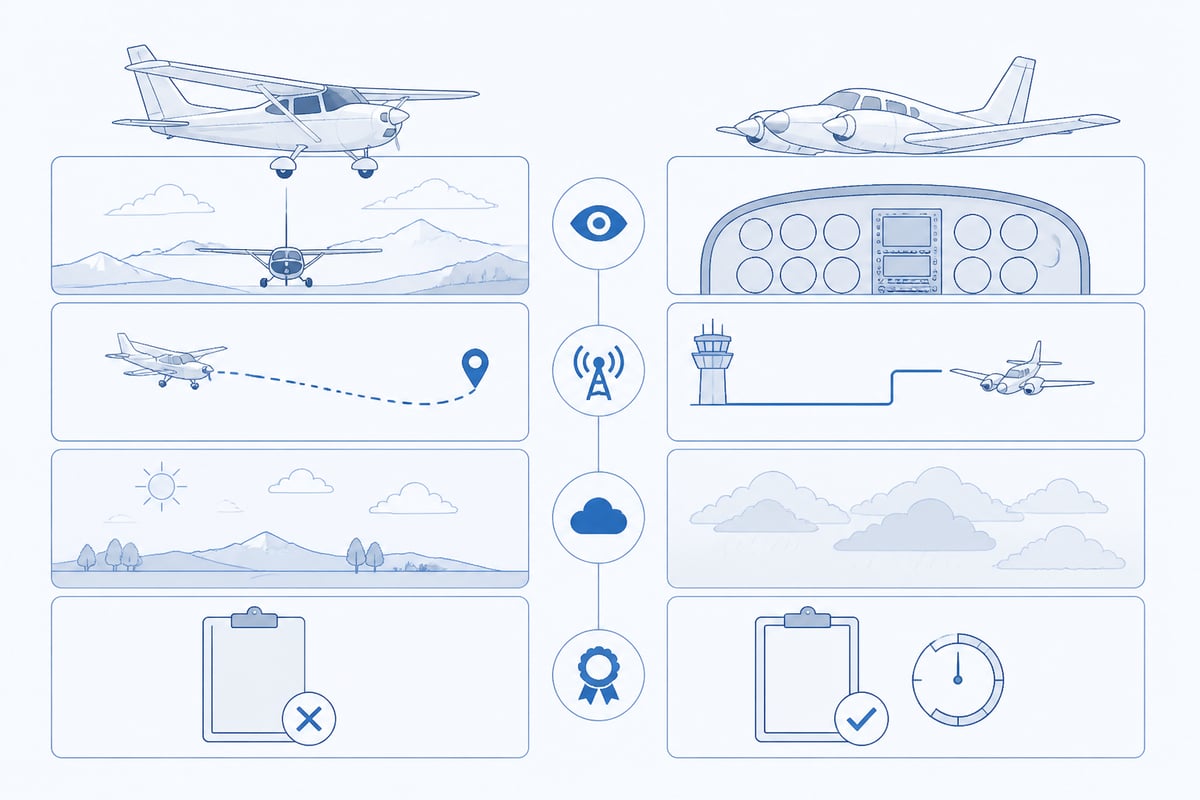
How do you earn an instrument rating?
You earn it through ground knowledge, flight training and a skills test, with requirements that depend on the authority. Under the FAA, an instrument-airplane applicant generally needs cross-country time as pilot in command, including time in an airplane, as set out in 14 CFR § 61.65. You must also pass the aeronautical knowledge test and the practical test, as set out in 14 CFR § 61.65.
Under EASA Part-FCL, the route is different. You may hold an Instrument Rating (IR) with its own theoretical knowledge exams, a training course and a skill test. The UK CAA runs its own instrument rating framework. The hours, exams and pathways differ between FAA, EASA and UK CAA, so do not mix figures between them. Confirm the current syllabus with your authority or approved training organisation.
A typical sequence:
- Complete the theoretical knowledge instruction and pass the exams
- Train in basic instrument flying, then procedures and navigation
- Fly approaches until you meet the standard consistently
- Pass the skill test or practical test with an examiner

Why do pilots fly IFR?
Pilots fly IFR to make flying more reliable and to extend what they can do with an aircraft. Three reasons stand out:
- Weather access. You can depart and arrive in conditions that would ground a VFR pilot.
- Safety margin. Instrument skills give you a way out if weather closes in unexpectedly.
- Career value. For commercial and airline pilots, IFR capability is a baseline requirement, and instrument time counts toward ATPL progress.
Is the instrument rating the hardest pilot licence?
No single answer fits every pilot, but the instrument rating is widely seen as one of the most demanding steps for private pilots. The airline transport pilot licence (ATPL) is the highest-level licence and carries the largest hours and knowledge burden. The IR is hard because it changes how you think: you fly the instruments, trust them and manage workload under pressure.
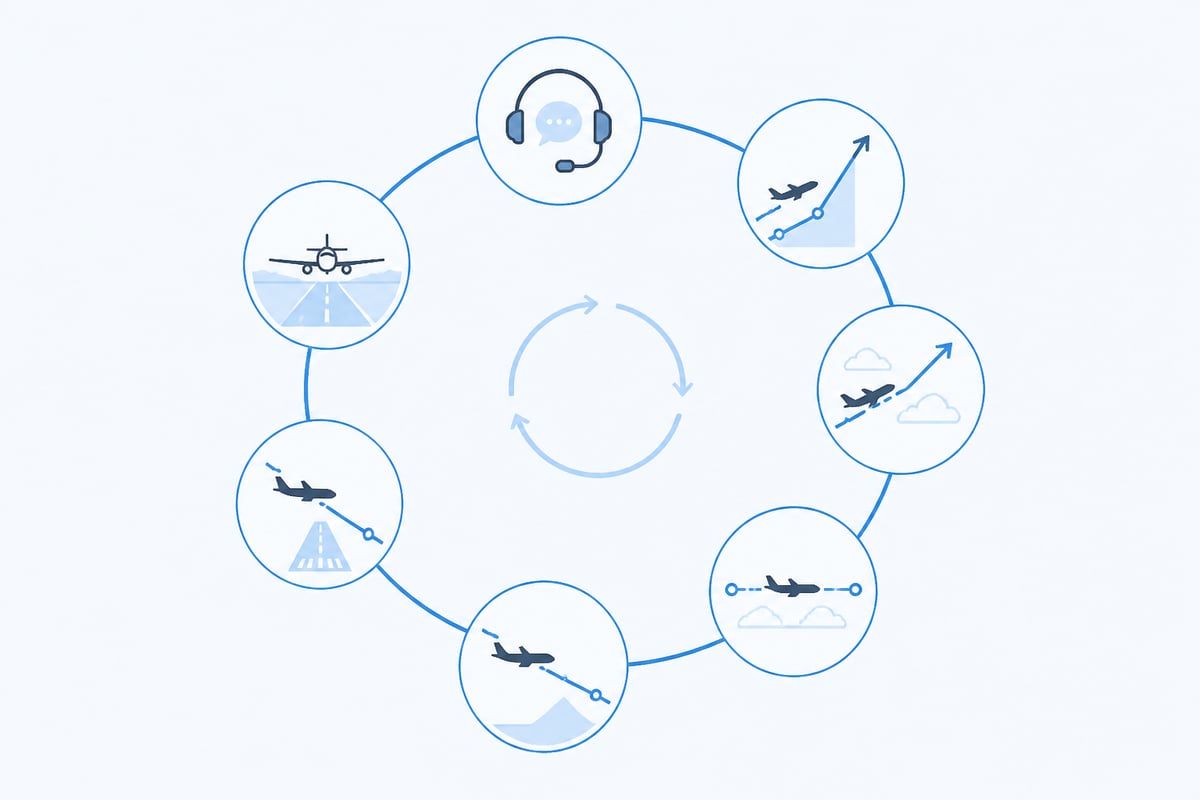
How do you stay IFR current?
Holding the rating is not the same as being legal to use it. Recency rules require you to keep flying instrument procedures, and they differ by authority. Under the FAA, instrument currency under 14 CFR § 61.57(c) requires recent instrument experience, including approaches, holding and intercepting and tracking, within a defined look-back period set by the regulation. EASA and UK CAA require instrument rating revalidation or renewal and a proficiency check, so the logic is different.
Hypothetical example for an FAA pilot: if your last logged instrument approaches fall on a given date, you must meet the currency requirements within the look-back period set by the current regulation, or complete an instrument proficiency check. Miss it, and you cannot act as PIC under IFR until you regain currency. Always confirm the exact requirements and counting method in the current regulation, because rules change.
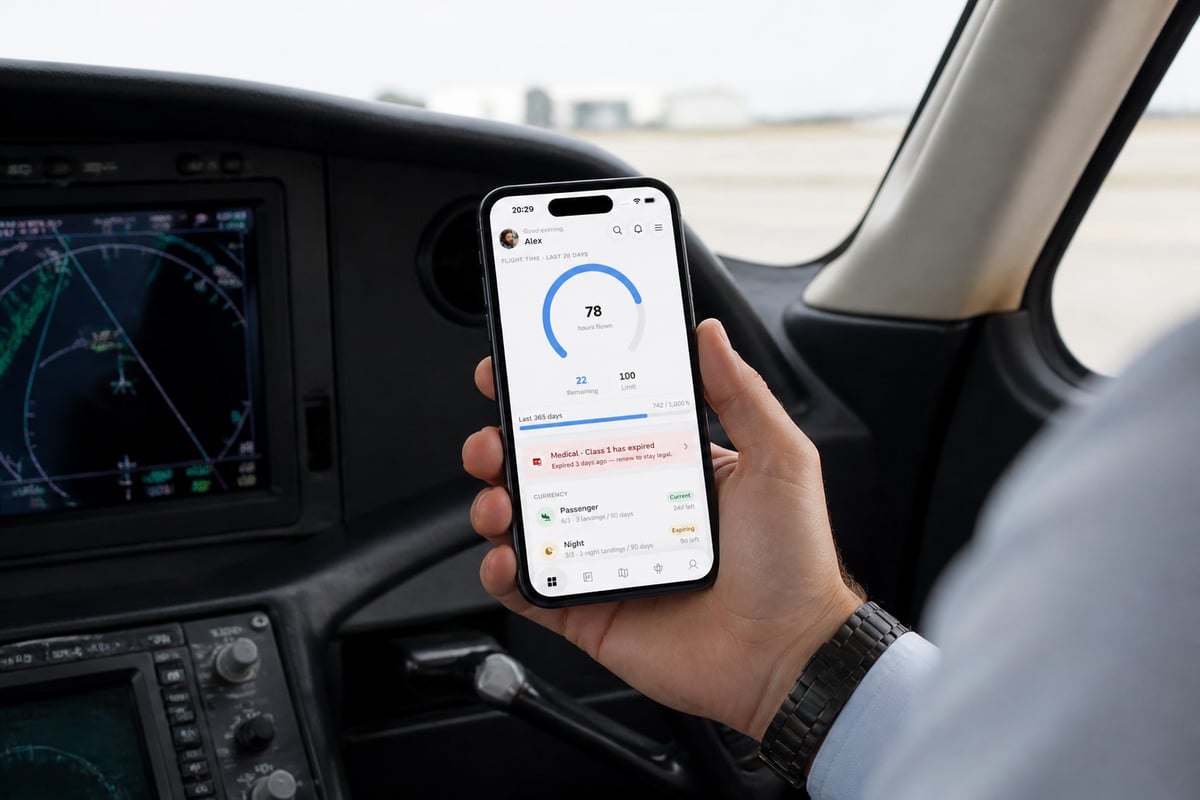
Tracking this by hand invites mistakes. Pro in Pilotlog shows passenger, night and IFR currency with the date each lapses, and warns you about licence, medical and rating expiries before they catch you out.
IFR aviation: quick summary
- IFR lets you fly by instruments and ATC clearance, in cloud and low visibility.
- VFR depends on visual reference and weather minimums.
- IFR is more structured, not easier, and needs recency to stay safe.
- Rating requirements differ between FAA, EASA and UK CAA. Do not mix figures.
- Track currency and expiry dates so you know your status before every flight.
Rules change. Check current official sources such as the FAA, EASA and the UK CAA before relying on any figure here.
FAQ
What is a female pilot called?
A female pilot is simply called a pilot. The word is not gender specific, and licences, ratings and titles are the same for everyone.
Can a VFR pilot fly in cloud?
No. Flying in cloud requires IFR privileges, which means an instrument rating or equivalent, an IFR-equipped aircraft and compliance with IFR procedures. Entering IMC without them is a serious safety and regulatory risk.
Do instrument hours count toward an ATPL?
In most cases, yes, actual and simulated instrument time is part of the experience requirements for higher licences, though how it is counted differs by authority. Confirm the current rules for your licence and keep accurate logbook records.
Start by listing the date of your last instrument approaches and your next rating or medical expiry, so you know where you stand today. Pilotlog keeps those dates in one place and flags them before they lapse, with Pro adding the full currency and limit tracking. If you want that without a spreadsheet, join the waitlist at Pilotlog and be first to log flights the quick way.
- ifr flying
- instrument rating
- instrument flight rules
- ifr vs vfr
- instrument currency
A logbook that keeps itself.
Join the waitlist and be first in line when Pilotlog launches.
Free to join. We’ll email you about the launch and Pilotlog news. Unsubscribe any time. Privacy policy