Article
Pilot Lessons Near Me: 10 Ways to Find a Flight School
26. Nov. 2026 · 5 Min. Lesezeit
Dieser Artikel ist auf Englisch.
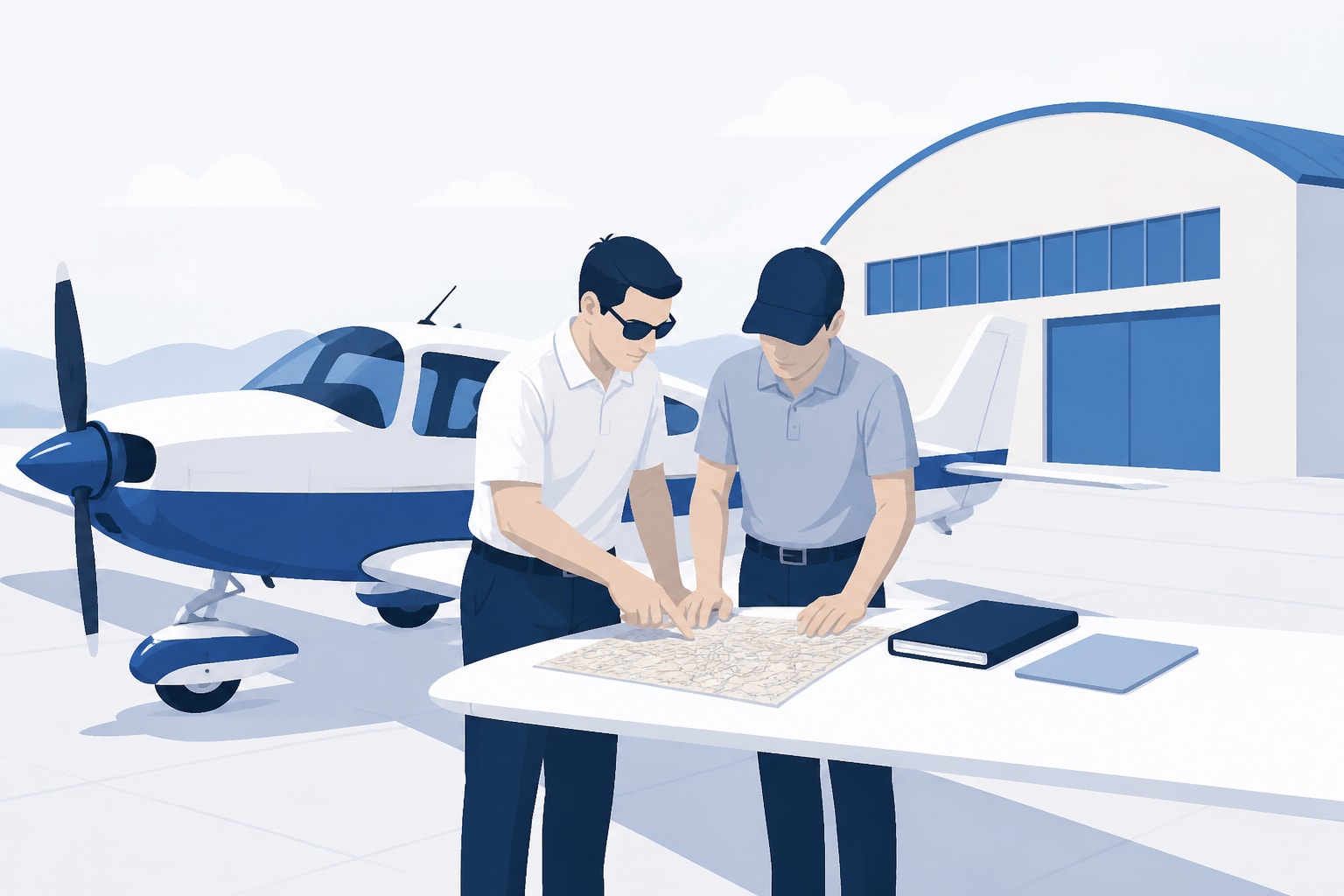
To find pilot lessons near you, search airports within an hour's drive, visit two or three flight schools, fly a discovery flight, and choose the instructor and aircraft availability that fit your schedule. Most students start at a local airfield, not a large academy. The ten steps below take you from search to first lesson. This article uses FAA rules (14 CFR) for US figures. If you train under EASA Part-FCL or the UK CAA, the structure differs, so confirm which authority applies to your school.
1. Search airports, not just "flight school"
Start with a list of public airports within about an hour of home. Smaller fields often host an independent school or flying club that never ranks well in search results. Check each airport's website or its FBO desk for resident operators. A 30-minute drive each way adds up over 40 to 60 lessons.
2. Check the school's certification
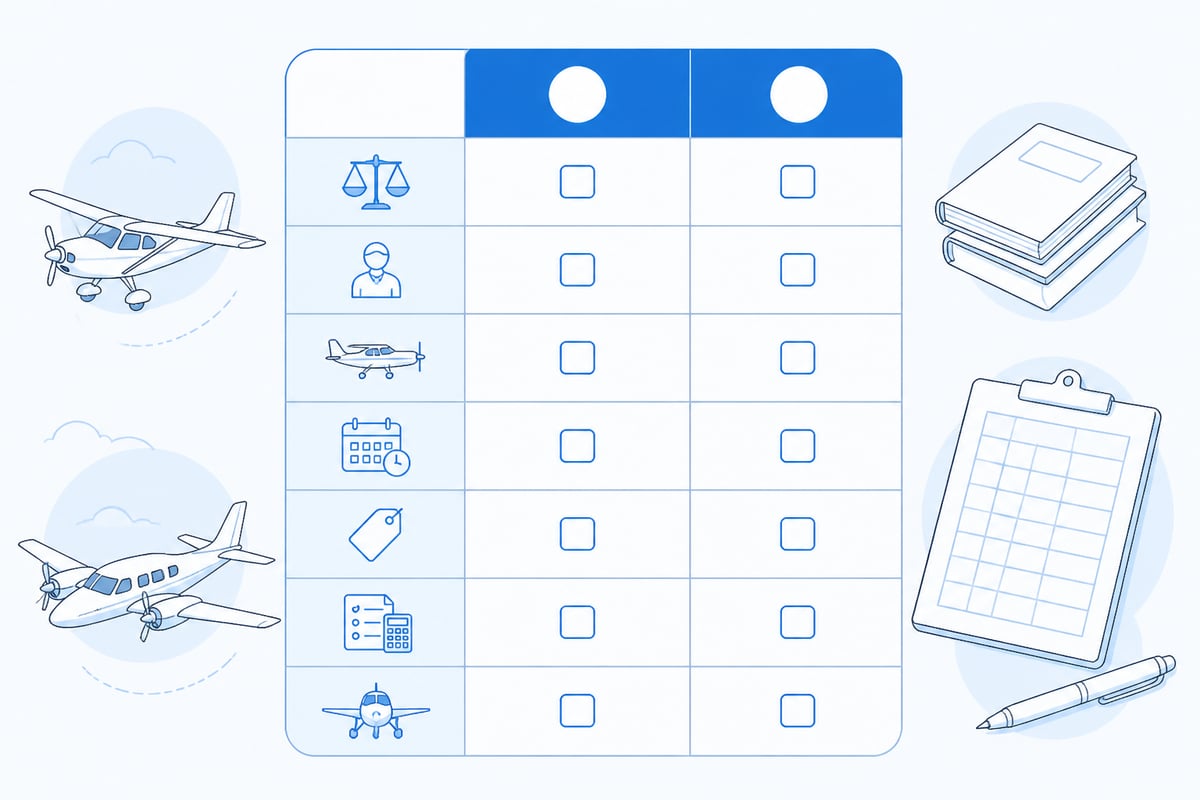
Ask whether the school trains under Part 61 or Part 141. Both lead to the same certificates. Part 141 schools follow an FAA-approved syllabus, while Part 61 offers more scheduling flexibility. Ask for the chief instructor's name and the school's recent checkride pass rate.
3. Book a discovery flight
A discovery flight is a short paid lesson where you handle the controls with an instructor. It tells you whether you enjoy flying and whether you click with the school. Student Pilot Resource explains what the flight involves and gives typical cost and aircraft-rental estimates.
4. Confirm the age and medical requirements
For powered aircraft, the minimum age for a student pilot certificate is 16. For gliders and balloons it is 14, per eCFR Part 61, Subpart C. Get your medical sorted early so a disqualifying condition does not surface after you have paid for hours.
5. Ask about aircraft and instructor availability
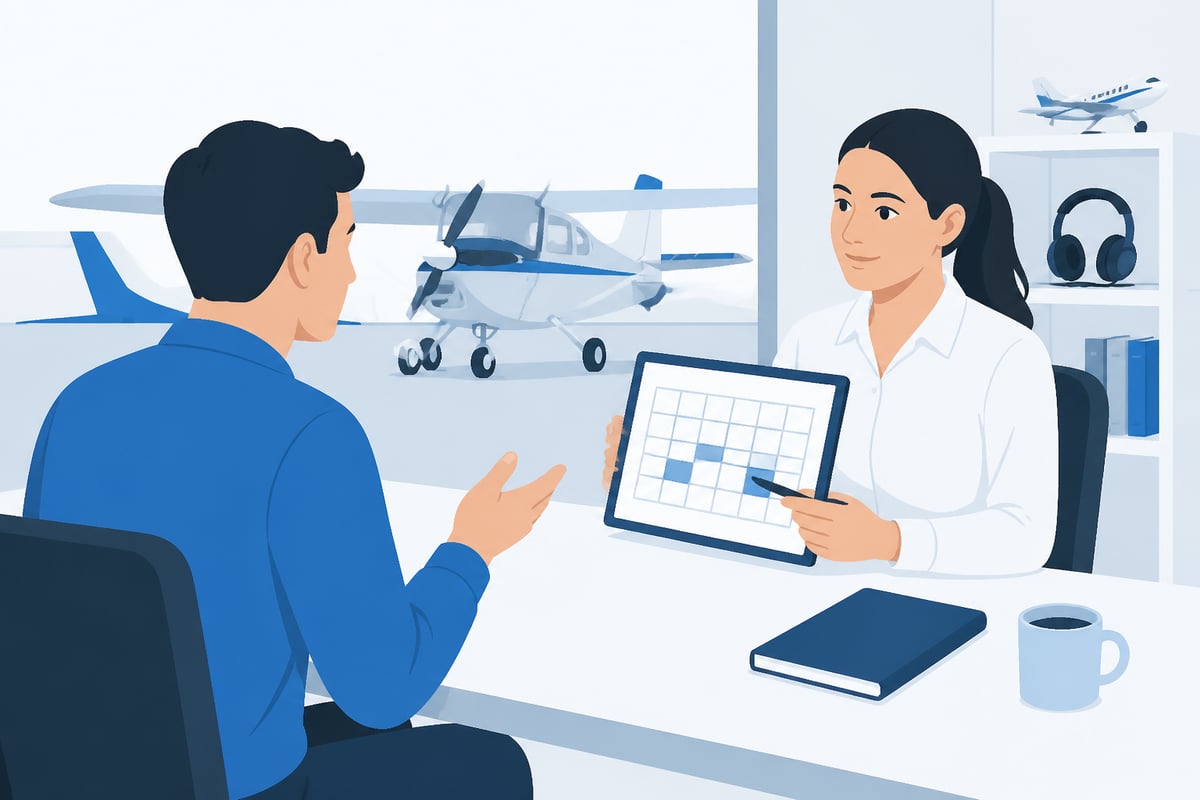
A school with six trainers and two instructors may still leave you waiting. Ask how far ahead you can book, how many instructors are full time, and what happens when the aircraft is in maintenance. Two or three lessons a week keeps you progressing. One a fortnight means relearning each time.
6. Is 30 too old to start pilot training?
No. There is no upper age limit for a private pilot certificate, and many students begin in their 30s, 40s and later. The practical limit is the medical, not the birth certificate. Your schedule and budget matter more than your age.
7. How much does it cost to learn to fly?
Costs vary widely by region, aircraft and how often you fly, so ask each school for an itemized estimate covering aircraft rental, instructor time, ground school, exam fees and checkride. For scale, one national academy lists its zero-experience Airline Career Pilot Program at $123,995 with a 9-month fast track, and notes that training-center premiums may add up to $5,000. A private certificate alone costs far less. Compare the hourly rates, not the headline total.
8. Buy a headset before lesson one
A headset reduces cabin noise and makes radio calls and instructor briefings intelligible. Prices below are approximate and may have changed since they were researched.
David Clark H10-13.4 Aviation Headset (about $359.95)
Passive noise reduction, 23 dB noise-reduction rating, 16.5 oz, five-year warranty. It suits students who want a durable, straightforward headset for training. Verdict: the proven choice for a long training programme.
Kore Aviation KA-1 Headset (about $224.95)
Passive noise reduction, 24 dB NRR, gel ear seals, 3.5 mm auxiliary input. It suits students seeking a well-equipped, value-priced headset. Verdict: strong features for a mid-range budget.
Rugged Air RA200 General Aviation Pilot Headset (about $93.99)
Passive noise reduction, 24 dB noise reduction, 3.5 mm audio jack, about 15 oz. It suits new students who want an inexpensive headset for lessons. Verdict: a low-risk first headset while you confirm flying is for you.
Bose A30 Aviation Headset (about $1,299)
Active noise reduction, Bluetooth, 14.2 oz, two AA batteries. It suits students who prioritize premium comfort and sound quality. Verdict: excellent, but a lot to spend before your first solo.
9. Log every lesson from day one
Before solo, a student must receive and log training in the required maneuvers and demonstrate satisfactory proficiency and safety to an authorized instructor (eCFR). Your logbook is the evidence. Pilotlog Pro lets you log a flight in a few taps after landing, with route, times, crew and landings, and it totals your hours automatically. It also flags medical and licence expiries before they catch you out.
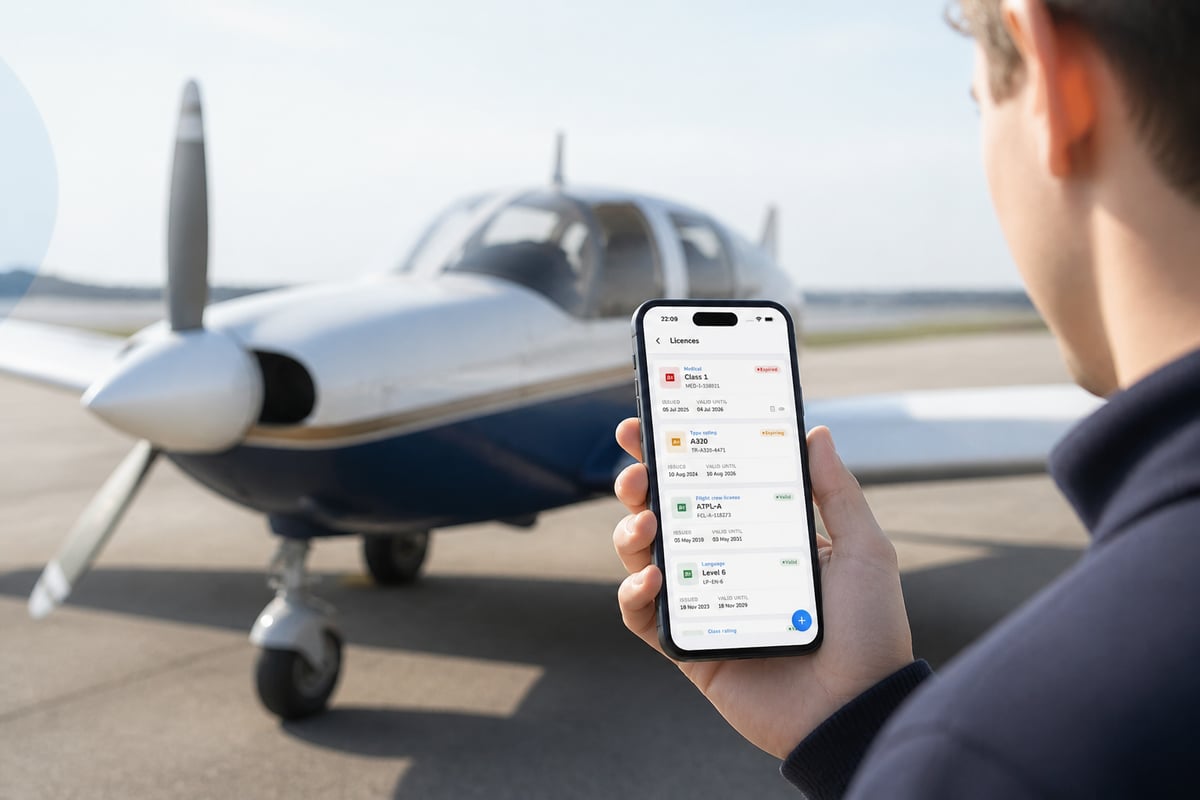
Pro tracks rolling 28-day and 365-day limits and shows passenger, night and IFR currency with lapse dates, which matters once you hold a certificate. See Pilotlog Pro.
Worked example: 90-day passenger currency (FAA)
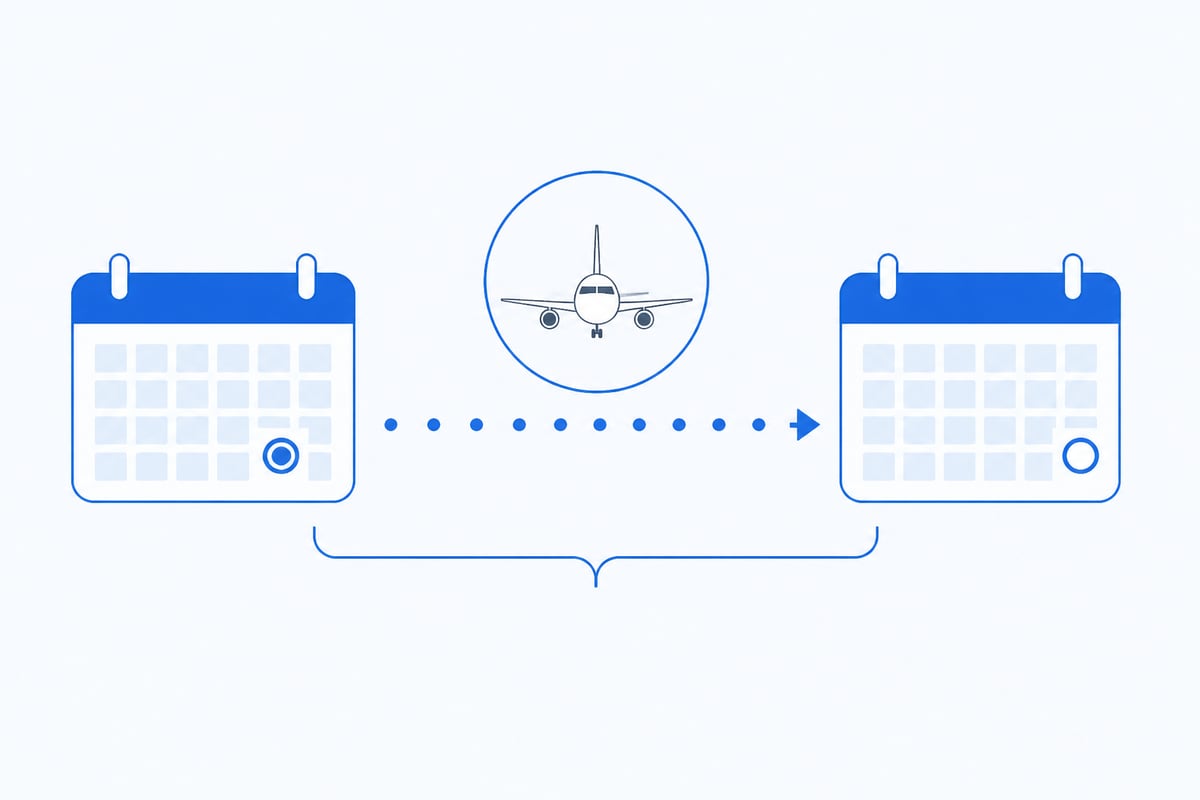
Carrying passengers requires recent takeoffs and landings in the same category and class, and the FAA sets the exact number and window in 14 CFR 61.57. Check that section for current figures. The general rule is that currency lapses a set number of days after your most recent qualifying landings, so track that date and fly before it passes.
10. Pick a pace and a plan
Set a target date for your first solo and your checkride, then work backward to lessons per week. Ask the chief instructor whether that pace is realistic for the school's fleet. Write down the plan and review it every ten hours.
FAQ
Do pilots make $300 an hour?
No. Pay varies by employer, aircraft and seniority, and flight instructors earn far less than airline captains. Do not plan your training budget around hourly pay.
What is a female pilot called?
A pilot. The certificate and the job title are the same regardless of gender.
What should I check before paying a school deposit?
Confirm the instructor's availability, the school's refund terms in writing, and the aircraft you will fly. Regulations and school policies change, so check current official sources such as the FAA.
Your next step is to call two flight schools this week and book a discovery flight at each. Once your first lesson is in the books, keep your hours, currency and medical dates in one place from the start. Join the waitlist for Pilotlog to log flights in a few taps and get alerts before a licence or medical expires.
Ein Flugbuch, das sich selbst führt.
Melde dich für die Warteliste an und sei ganz vorn dabei, wenn Pilotlog startet.
Kostenlos. Wir schreiben dir zum Start und zu Neuigkeiten von Pilotlog. Abmeldung jederzeit möglich. Datenschutzerklärung