Article
Flight Lessons Checklist for New Pilots
23.11.2026 г. · 6 мин четене
Тази статия е на английски.
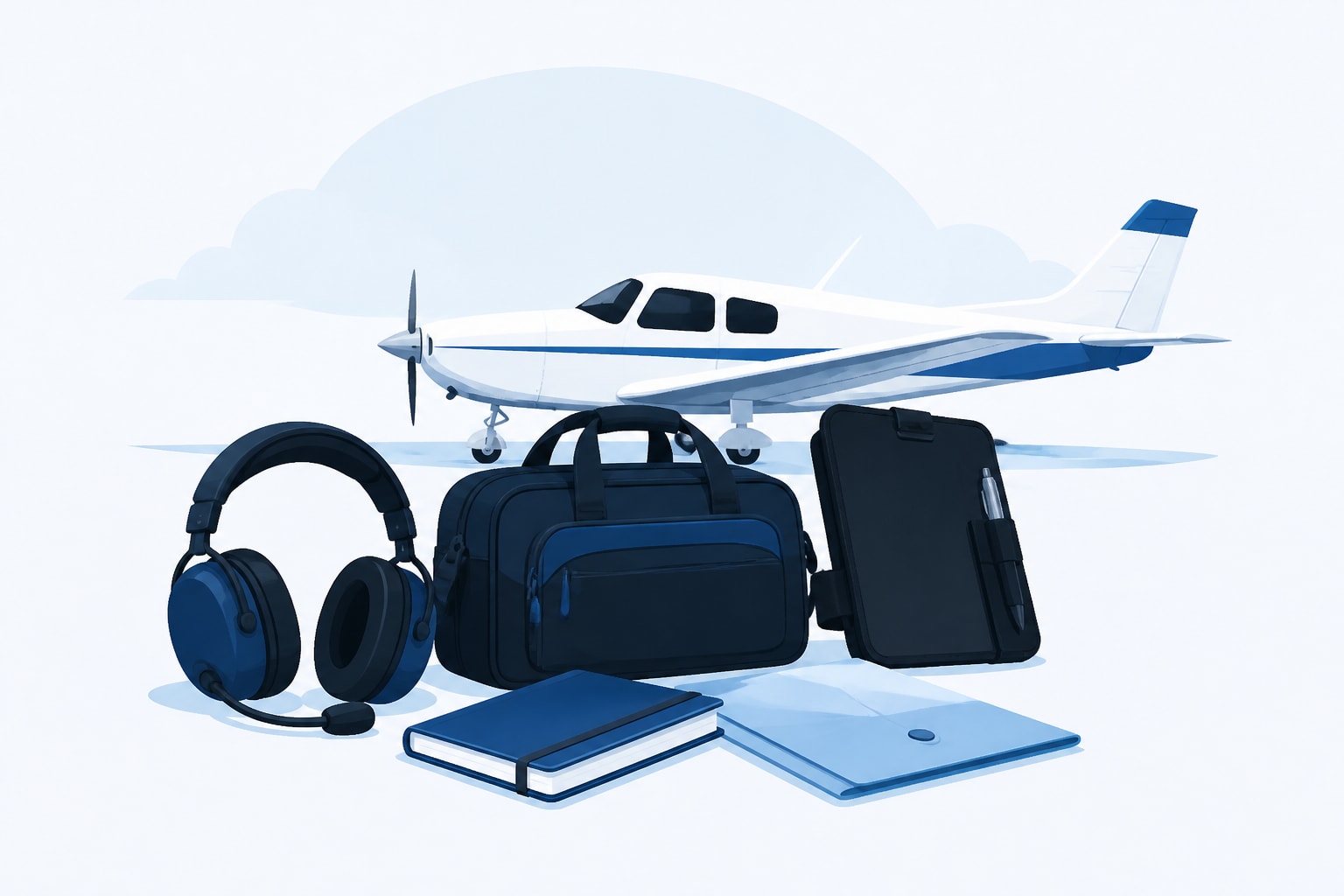
Start flight lessons by booking a discovery flight, confirming your medical requirements, and buying only the gear you need for the first few lessons. Then log every flight from day one. This checklist covers each step, with the figures a student pilot should know.
Authority matters here. This article defaults to EASA Part-FCL and UK CAA. Where it cites 14 CFR, it says so. Rules change, so check current official sources before you commit money or hours.
How do you start learning to fly a plane?
You start by flying a discovery flight, then choosing a training route and booking a medical. Work through the steps in order:
- Fly a discovery flight to confirm you want to continue.
- Choose your authority and licence: EASA or UK CAA PPL, or an FAA private pilot certificate under 14 CFR Part 61.
- Book the medical your licence needs. Training towards a PPL and commercial privileges each need a medical class set by your authority, so confirm the class for your licence with an aviation medical examiner.
- Read ahead. The FAA Airplane Flying Handbook (FAA-H-8083-3C) has chapters on ground operations, basic maneuvers, takeoffs, traffic patterns, landings, night operations and emergency procedures. Even if you train under EASA or the UK CAA, the handling fundamentals read the same.
- Set a lesson rhythm. Two lessons a week keeps skills from decaying between flights.
Is 32 too late to become a pilot?
No. Thirty-two is not too late for a private licence or a commercial career. Training regulations generally set minimum ages rather than maximum ages. The limit that matters is your medical. Check the age-related validity periods for your class with your aviation medical examiner and your national authority, because they differ between EASA, the UK CAA and the FAA.
What gear do new pilots need for flight lessons?
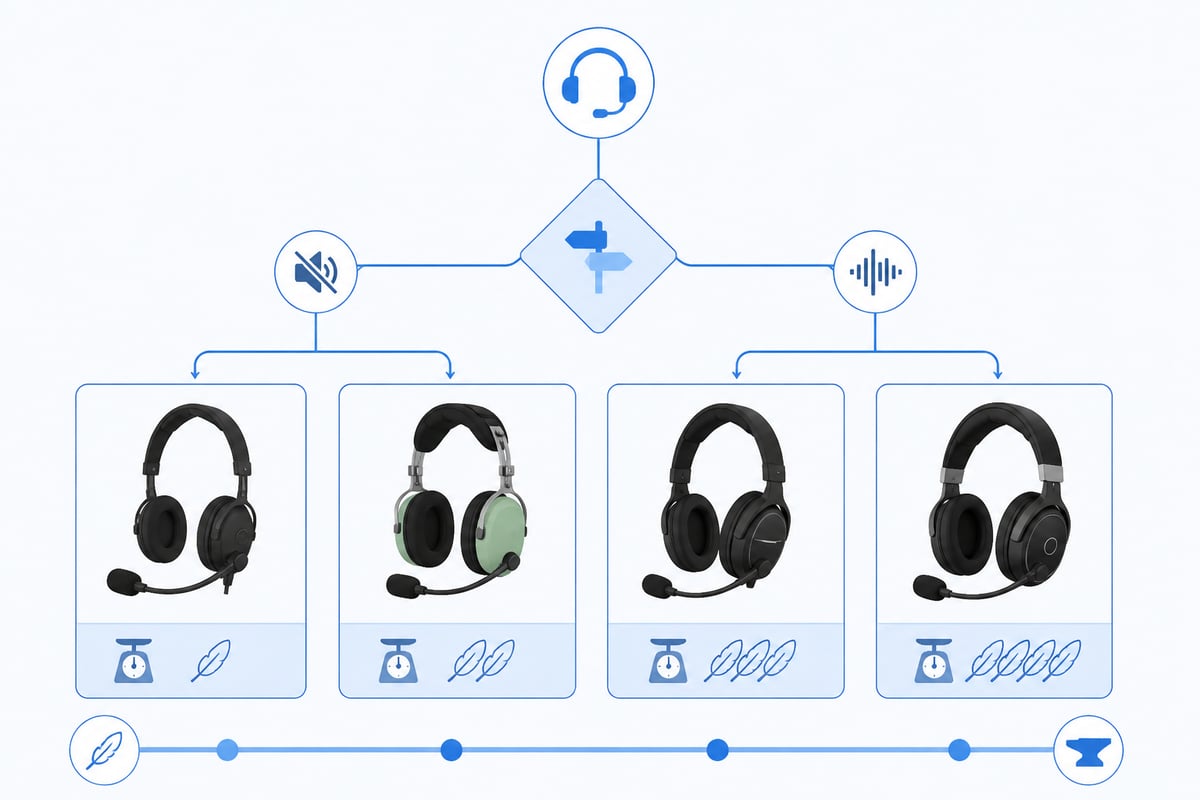
A new student needs a headset, a way to hold notes and charts, and a bag to carry it all. Most schools supply nothing beyond the aircraft. Prices below are approximate, as of November 2026. For a wider comparison of active and passive noise reduction, see this aviation headset comparison.
1. David Clark H10-13.4
The H10-13.4 is a durable passive headset with no battery. It carries a 23 dB noise-reduction rating, weighs 16.5 oz without the cord and has a 5-year warranty. It costs about $369.95. It suits a student who wants a battery-free headset that lasts through a full licence. Verdict: the dependable mid-price choice.
2. ASA AirClassics HS-1A
This is a passive headset with a 23 dB NRR, a weight of 17.5 oz and a lifetime warranty. It costs about $149.99. It suits a tight budget in the first twenty hours, when you are still deciding whether to commit. Verdict: the lowest entry cost, at the price of extra weight.
3. Lightspeed Zulu 3
The Zulu 3 is an active noise-reduction headset with Bluetooth. It weighs 14.6 oz, has a stated 40-hour battery life and a 7-year warranty. It costs about $949. It suits a student who flies long lessons and wants active noise reduction without paying flagship money. Verdict: premium comfort for noticeably less than the top model.
4. Bose A30 Aviation Headset
The A30 weighs 14.2 oz, runs a minimum of 45 hours on two AA batteries, has Bluetooth and is FAA TSO certified. It costs about $1,299. It suits a student who expects to keep one headset into a commercial career. Verdict: the strongest specification here, and the highest price.
5. FlyBoys Classic Pilot Kneeboard with Clipboard
The kneeboard has a 5 × 8-inch clipboard, holds standard approach plates and accommodates an iPad mini. It costs about $39.95. It suits a student who wants paper notes, frequencies and clearances within reach. Verdict: a cheap item you will use on every flight.
6. EntireFlight Flight Bag
The bag has organised compartments built to carry a headset, kneeboard, iPad and other aviation gear. It costs about $84.95. It suits a student who wants everything in one place for the walk to the aircraft. Verdict: worth buying once the rest of the kit has settled.
7. Pilotlog Pro
Pro is the paid tier of the Pilotlog digital logbook. You log a flight in a few taps after landing, with route, times, crew and landings. Pro then totals your hours and tracks rolling 28-day and 365-day flight-time limits, passenger, night and IFR currency with lapse dates, and licence and medical expiry alerts. Verdict: the logbook that replaces your spreadsheet. A student gets the most from it by starting in the first lesson.
| Item | Type | Approx. price |
|---|---|---|
| David Clark H10-13.4 | Passive headset | $369.95 |
| ASA AirClassics HS-1A | Passive headset | $149.99 |
| Lightspeed Zulu 3 | Active headset | $949 |
| Bose A30 | Active headset | $1,299 |
| FlyBoys Classic Kneeboard | Kneeboard | $39.95 |
| EntireFlight Flight Bag | Bag | $84.95 |
| Pilotlog Pro | Digital logbook | See pricing page |
How should you log your flight lessons?
Log every lesson on the day you fly it, with times, landings and the instructor's name. Your records are what a flight test examiner and your authority will check, and later they carry your career totals.
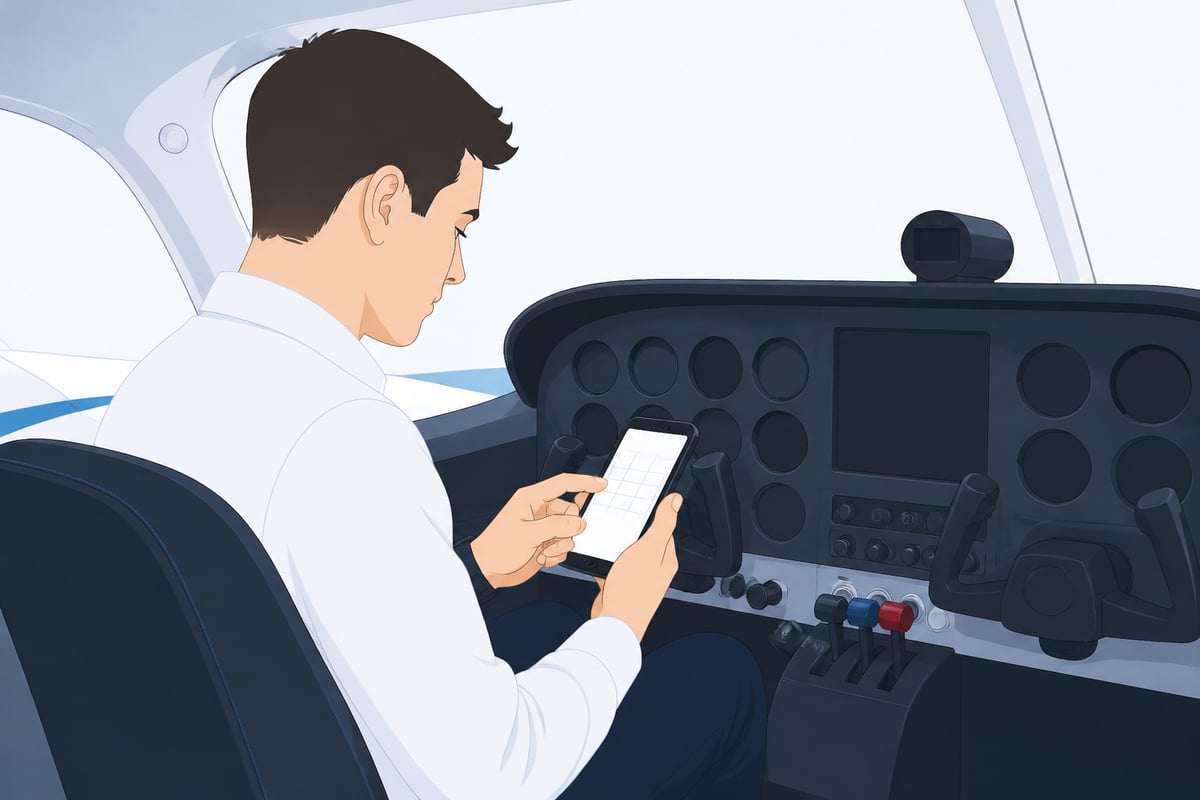
Keep these fields for each lesson:
- Date, aircraft type and registration
- Block off and on times, and flight time
- Dual or solo, and PIC time where it applies
- Take-offs and landings
- Instructor and lesson content
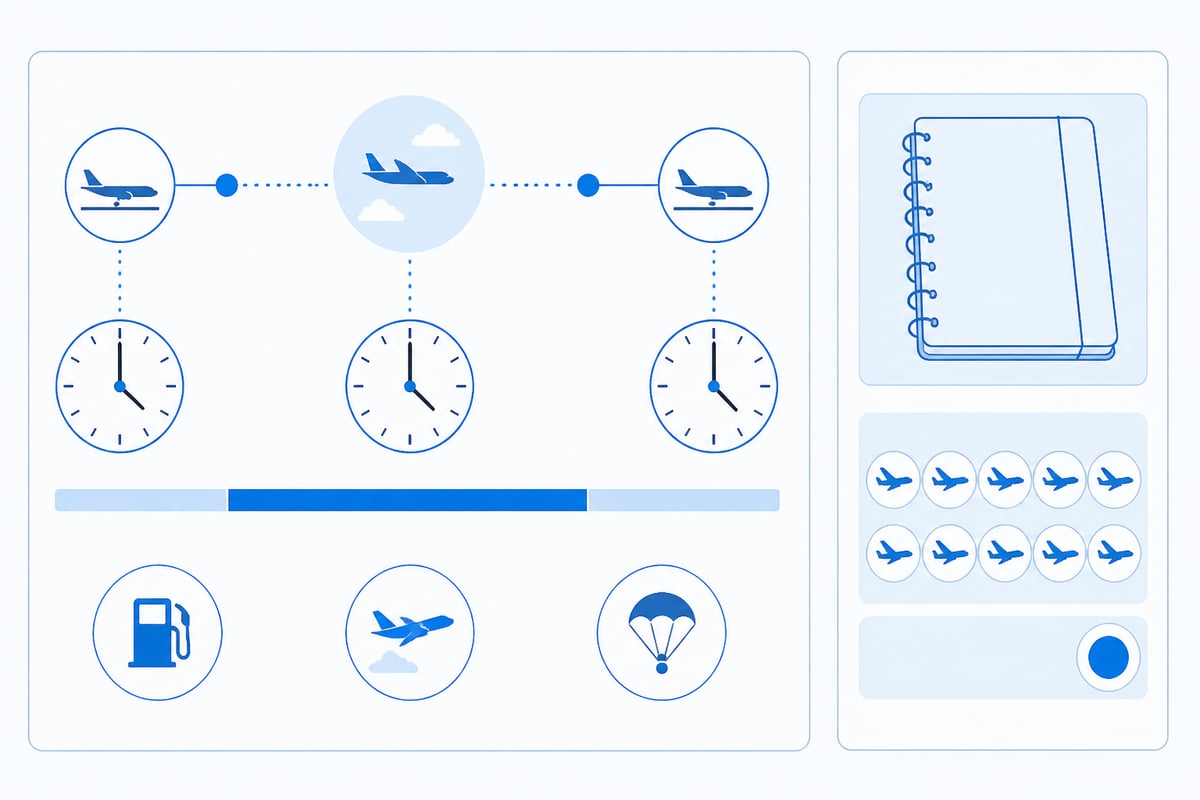
Worked example. A student flies on 3 March 2026. Block off is 09:10 and block on is 10:40, so block time is 1 h 30 min. Airborne time runs 09:20 to 10:30, which is 1 h 10 min. The student logs 1.2 hours dual, rounding 1 h 10 min to the nearest tenth as the school's convention requires. Check your authority's definition of flight time before choosing which figure to log. Over ten such lessons the dual total is 12.0 hours. Pilotlog totals this for you from each entry.
Which currency and expiry dates should you track?
Track your medical expiry, licence validity and, once licensed, your recency. Carrying passengers requires recent take-offs and landings under your authority's rules, so confirm the exact requirement in the official source for your licence. Exact limits and privileges differ by authority and licence, so confirm yours with the official source.
Summary checklist:
- Discovery flight booked and flown
- Authority and licence route chosen
- Medical booked, expiry date saved
- Headset, kneeboard and bag sorted
- Every lesson logged the same day
- Currency dates and expiries tracked
FAQ
What are the best flight schools in San Diego?
Pilotlog does not recommend flight schools. Compare schools on fleet, instructor availability and cost per hour, and visit before you commit.
Do pilots make good money?
Pay varies widely by role, employer and experience. Check current published pay scales from airlines and your national pilot associations rather than relying on a single figure.
Do I need an expensive headset for my first lesson?
No. A passive headset with a 23 dB NRR, such as the ASA HS-1A at about $149.99, is enough to start. You can upgrade once you know you will keep flying.
Your next step is to book a discovery flight and record it the day you land. From then on, Pilotlog keeps your hours, currency and expiries in one place, and Pilotlog Pro adds the 28-day and 365-day limits as you progress. Join the waitlist through Pilotlog and start your logbook before your first lesson.
Летателна книжка, която се води сама.
Запиши се в списъка с чакащи и бъди сред първите при старта на Pilotlog.
Безплатно е. Ще ти пишем за старта и за новини от Pilotlog. Можеш да се отпишеш по всяко време. Политика за поверителност